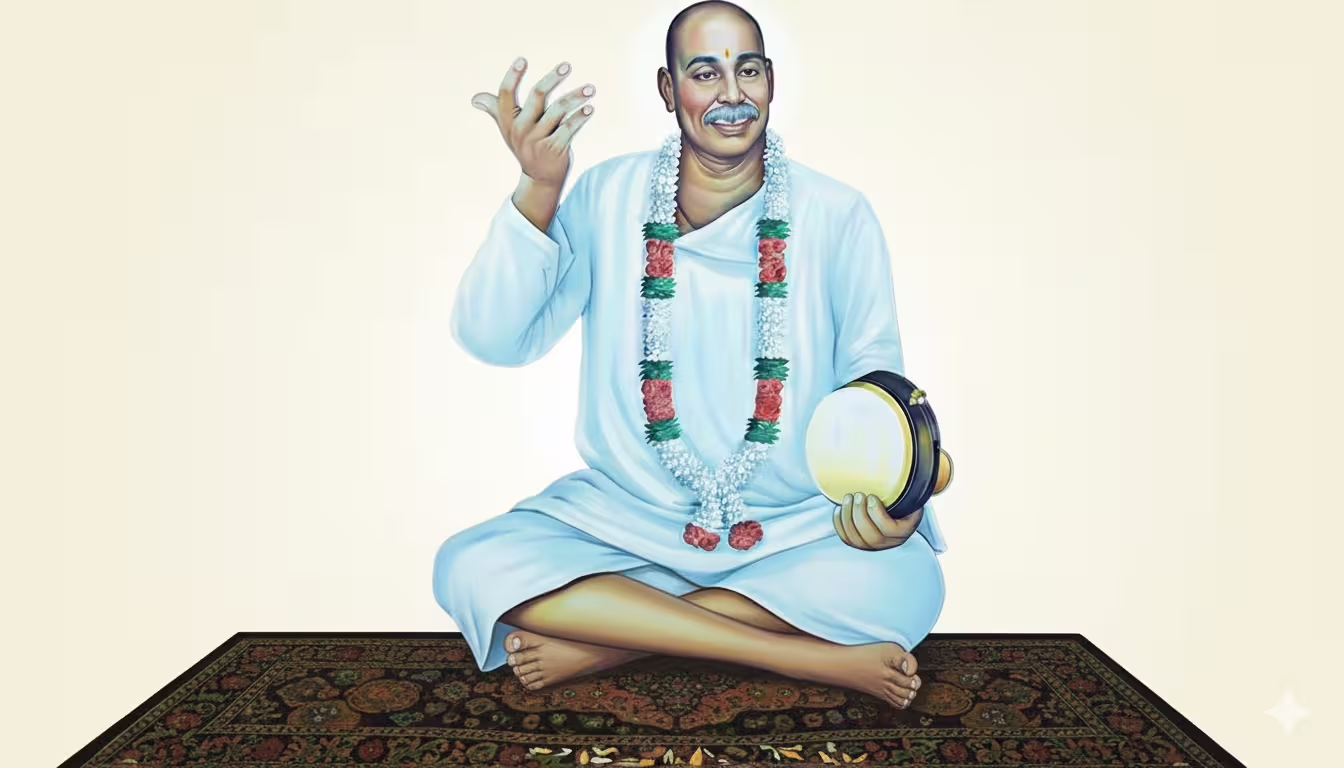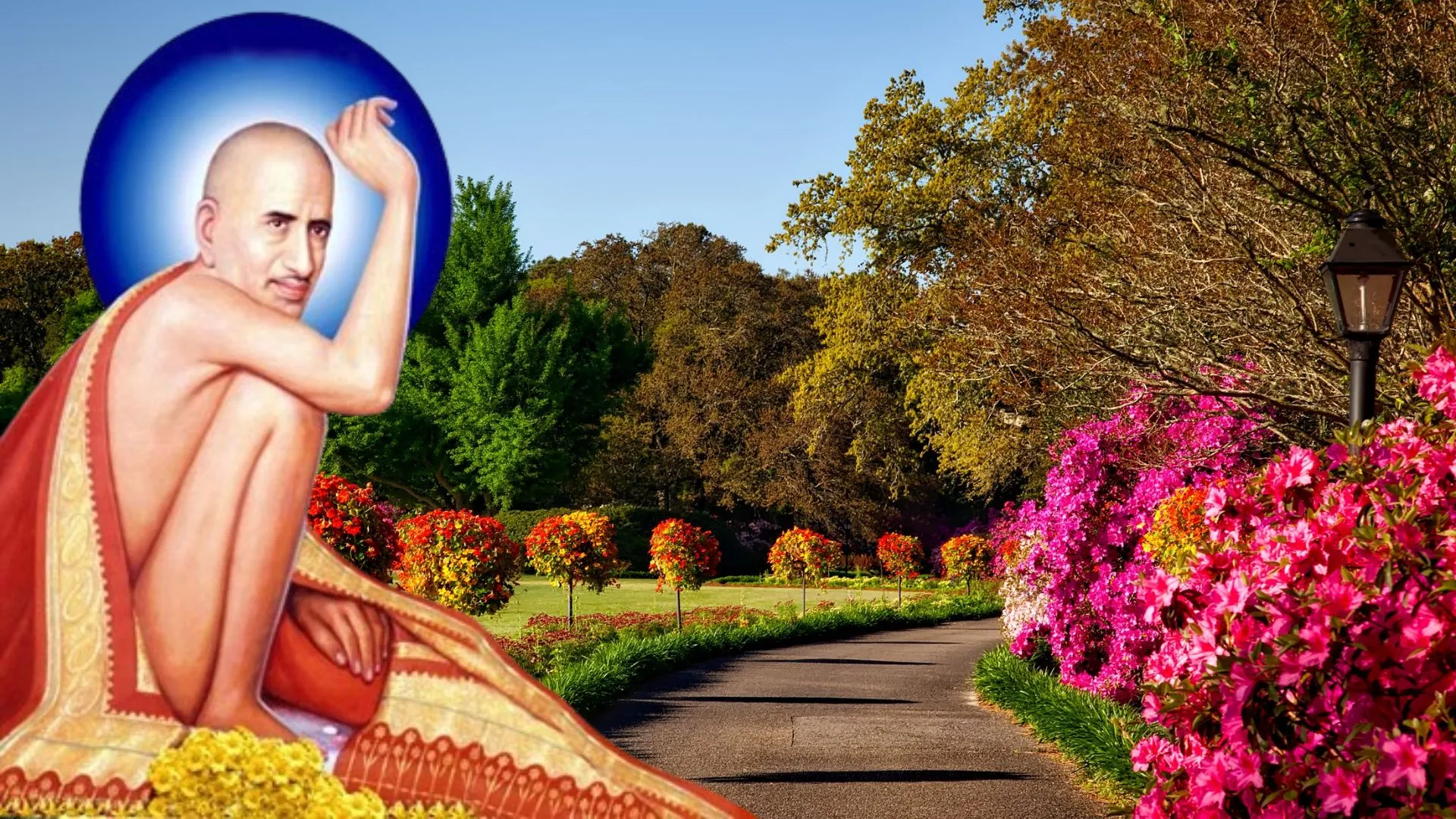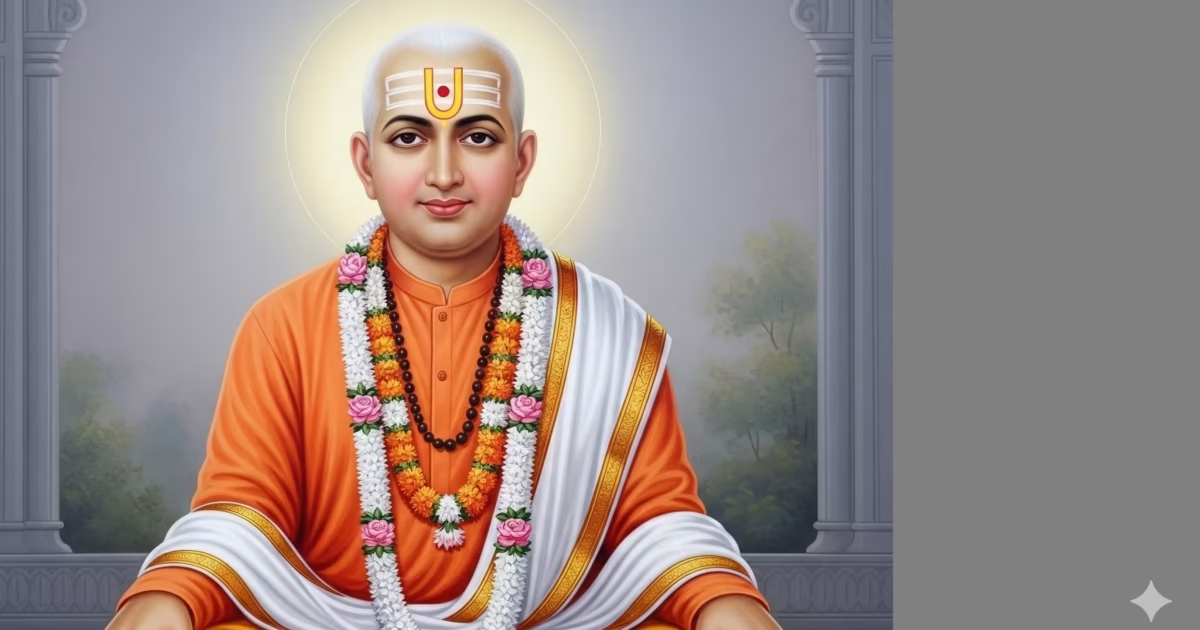
Shree Swaminarayan, also known as Sahajanand Swami, was a profound spiritual leader, social reformer, and the central figure of the Swaminarayan Sampradaya, a prominent sect within modern Hinduism. Emerging in the late 18th and early 19th centuries, primarily in the western Indian state of Gujarat, he revitalized Hindu practices by emphasizing pure devotion (Bhakti), ethical living, and social harmony. In an era marked by political instability and moral decline, Swaminarayan’s presence sparked a massive spiritual awakening, transforming the lives of millions and leaving a legacy that continues to thrive globally today.
Early Life and Family Background
Swaminarayan was born on April 3, 1781 (Chaitra Sud 9, coinciding with the auspicious festival of Rama Navami), in the small village of Chhapaiya, located in present-day Uttar Pradesh, India. His childhood name was Ghanshyam Pande. He was born into a pious Brahmin family to father Hariprasad Pande (widely known as Dharmadev) and mother Premavati (affectionately called Bhaktimata).
From a very young age, Ghanshyam exhibited extraordinary spiritual inclinations and an unparalleled grasp of Hindu scriptures. By the age of seven, he had mastered fundamental texts, including the Vedas, the Upanishads, the Puranas, and the Ramayana. His childhood was marked by deep meditation, a detachment from worldly affairs, and an innate desire to seek higher spiritual truths.
The Epic Spiritual Journey: Nilkanth Varni
Following the passing of his parents when he was just eleven years old, Ghanshyam renounced his home and worldly ties. Taking the name Nilkanth Varni, he embarked on an arduous, seven-year barefoot pilgrimage across the length and breadth of India.
From the freezing peaks of the Himalayas to the dense forests of Assam, and down to the sacred temples of South India, Nilkanth Varni traveled extensively. During this 12,000-kilometer journey, he practiced severe austerities, mastered Ashtanga Yoga, and engaged in deep philosophical discussions with various ascetic orders. His primary goal was to find an ashram or a spiritual community that perfectly understood and practiced the true tenets of Vedanta, specifically the concepts of Jiva (soul), Ishvara (God), Maya (illusion), Brahman (the ultimate reality), and Parabrahman (the Supreme God).
Finding the Guru: Ramanand Swami
In 1799, after seven years of wandering, Nilkanth Varni’s journey brought him to the village of Loj in Gujarat. Here, he met Muktanand Swami, a senior disciple of a revered saint named Ramanand Swami. Impressed by the ashram’s strict adherence to celibacy, devotion, and accurate philosophical answers to his questions, Nilkanth decided to stay and wait for Ramanand Swami.
When Ramanand Swami finally arrived, Nilkanth recognized him as his spiritual master. In 1800, Ramanand Swami initiated him into the ascetic order (Sannyasa) and gave him two new names: Sahajanand Swami and Narayan Muni. Recognizing Sahajanand Swami’s extraordinary spiritual prowess and leadership, Ramanand Swami, shortly before his passing in 1801, appointed the 21-year-old Sahajanand Swami as the head of the entire fellowship.
Teachings, Philosophy, and the Swaminarayan Mantra
Upon assuming leadership, Sahajanand Swami initiated a transformative era. He introduced the chanting of the mantra “Swaminarayan,” from which the sect eventually took its name. He taught a philosophical framework closely aligned with Ramanuja’s Vishishtadvaita (qualified non-dualism), which he refined into what is known as Akshar-Purushottam Darshan.
His teachings emphasized Ekantik Dharma, which consists of four pillars:
- Dharma: Strict adherence to moral and righteous conduct.
- Jnan: True knowledge of the soul and God.
- Vairagya: Detachment from worldly pleasures.
- Bhakti: Supreme, loving devotion to God.
He preached that God (Purushottam) is supreme, possessor of a divine form, and always present on Earth through a lineage of spiritually realized Gurus.
Social Reforms and Contributions
Swaminarayan was not just a spiritual guide; he was a revolutionary social reformer. His interventions came at a time when society was plagued by superstitions, violence, and discriminatory practices.
- Women’s Welfare: He vehemently opposed oppressive practices like female infanticide (doodh piti) and the practice of Sati (widows burning on their husband’s funeral pyre). He advocated for the education of women and created dedicated spaces for their spiritual development, a highly progressive step for the era.
- Eradication of Violence and Addictions: He campaigned tirelessly against animal sacrifices in religious rituals (Yagnas), promoting Ahimsa (non-violence). He mandated a strict ethical code for his followers, which included absolute abstention from meat, alcohol, theft, and adultery.
- Caste Harmony: Swaminarayan broke down rigid caste barriers. He welcomed people from all castes, classes, and even different religions into his fold, emphasizing that spiritual elevation depends on devotion and pure living, not birth.
Notable Incidents and Miracles
The life of Swaminarayan is filled with accounts of miraculous events and profound transformations. One of the most unique phenomena associated with his gatherings was Samadhi (a state of deep spiritual trance). It is recorded that people of various faiths who attended his discourses would spontaneously enter a trance state, experiencing divine visions of their respective deities—be it Rama, Krishna, Shiva, or others—ultimately realizing Swaminarayan’s divine supremacy.
Another famous testament to his influence was his ability to transform hardened criminals. Joban Pagi, a notorious and feared dacoit in Gujarat, attempted to steal Swaminarayan’s horse. However, through a miraculous encounter that revealed Swaminarayan’s omniscience, Joban Pagi was completely transformed. He surrendered his weapons, renounced his life of crime, and became one of Swaminarayan’s most devout followers.
Literary Works and Scriptural Contributions
To ensure his teachings outlasted his physical presence, Swaminarayan commissioned and authored significant literary works.
- The Shikshapatri: Written in 1826, this is a concise epistle of 212 Sanskrit verses. It outlines the fundamental moral, social, and spiritual codes of conduct for his followers, ranging from basic hygiene to deep devotion.
- The Vachanamrut: This is a comprehensive compilation of 273 spiritual discourses delivered by Swaminarayan. Recorded meticulously by his senior ascetic disciples, it uses simple analogies to explain complex philosophical concepts and is revered as the most sacred scripture of the Sampradaya.
- Bhajans and Kirtans: He inspired his paramhansas (senior monks), such as Brahmanand Swami and Premanand Swami, to compose thousands of devotional songs (kirtans) that remain a vital part of the tradition’s daily worship.
Sacred Places and Temple Architecture
Swaminarayan believed that grand, pure places of worship were essential to sustain devotion. During his lifetime, he supervised the construction of six major Shikharbaddha (pinnacled) mandirs in Gujarat, located in Ahmedabad, Bhuj, Vadtal, Dholera, Junagadh, and Gadhada. He installed deities in these temples and established strict protocols for their worship.
He spent over 25 years making Gadhada his central hub, managing his spiritual administration from the court of his devoted follower, Dada Khachar. It was in Gadhada that Swaminarayan passed away (returned to the divine abode) on June 1, 1830.
The Swaminarayan Tradition and Legacy Today
Today, the Swaminarayan Sampradaya is a vibrant global community with millions of followers. After Swaminarayan’s passing, the tradition branched into different dioceses and organizations, the most prominent being the Bochasanwasi Akshar Purushottam Swaminarayan Sanstha (BAPS) and the International Swaminarayan Satsang Organization (ISSO).
His legacy is most visibly celebrated through monumental spiritual and cultural complexes, such as the Akshardham temples in New Delhi, Gandhinagar, and Robbinsville, New Jersey. These complexes serve not only as places of worship but as massive exhibitions of Hindu art, culture, and values.
Every year, millions celebrate Swaminarayan Jayanti on Rama Navami with fasting, scriptural recitals, and grand devotional assemblies. Swaminarayan’s enduring legacy lies in his successful amalgamation of orthodox Hindu traditions with practical, ethical living, creating a spiritual framework that continues to bring peace, discipline, and purpose to the modern world.