Akshay Tritiya, universally known as Akha Teej or Navanna Parvam, is one of the most highly anticipated, spiritually significant, and auspicious festivals celebrated by Hindus and Jains worldwide. The Sanskrit word “Akshay” translates to “eternal,” “imperishable,” or “that which never diminishes,” while “Tritiya” refers to the third lunar day. Falling on the Shukla Paksha (bright half) of the Vaishakha month, this sacred day usually occurs in April or May and is celebrated as a symbol of endless prosperity, hope, spiritual merit, and profound joy.
In Vedic astrology, Akshay Tritiya 2026 is recognized as an Abujh Muhurat—a self-auspicious or naturally pristine day. The cosmic alignments on this specific tithi are so incredibly positive that you do not need to consult a lunar calendar (Panchang) or a priest to find a specific favorable time to initiate a new venture, get married, buy property, or make financial investments. The entire day is considered a golden window of opportunity.
The festival is a beautiful blend of deep devotion, acts of selfless charity, and strategic financial planning. It honors the ancient belief that any good deed, spiritual practice, or monetary investment made on this day will yield manifold and everlasting results. Culturally, it also marks the shift in agricultural cycles, representing the transition into the summer months and the preparation for upcoming harvests, making it a festival that deeply resonates with both urban investors and rural farmers.
Akshay Tritiya 2026 Date and Time: Shubh Muhurat Details
In the year 2026, this highly auspicious festival will be celebrated on 19 April 2026 (Sunday). The occurrence of this festival on a Sunday (Ravivar), a day dedicated to the Sun God (Surya Dev), adds an extra layer of vitality, leadership, and positive energy to the occasion.
Here are the precise details according to the Vedic Panchang to help you plan your day:
- Festival Date: 19 April 2026 (Sunday)
- Tithi: Vaishakha Shukla Tritiya
- Tritiya Tithi Begins: 10:49 AM on 19 April 2026
- Tritiya Tithi Ends: 07:27 AM on 20 April 2026
Akshaya Tritiya 2026 Muhurat for Puja
While the entire day is auspicious, Vedic traditions suggest that performing prayers and rituals during specific solar and lunar phases maximizes the absorption of divine energies. The most fruitful time to perform the holy rituals and seek blessings is during the Purvahan Kaal (the morning to midday phase).
- Puja Shubh Muhurat: 10:49 AM to 12:20 PM (Duration: 1 Hour 31 Minutes)
- Note for Devotees: It is highly recommended to complete your household cleaning, bathing, and altar preparation before the Tritiya Tithi begins so that you can immediately commence your prayers at 10:49 AM.
Akshay Tritiya 2026 Gold Buying Time
Purchasing precious metals, especially gold and silver, is a time-honored tradition on this day. The Akshay Tritiya 2026 gold buying time begins as soon as the Tritiya Tithi commences.
- Auspicious Window for Buying Gold: 10:49 AM on 19 April 2026 to 05:51 AM on 20 April 2026.
- Investment Tip: Since jewelers and banks experience heavy footfall during this window, many families prefer to pre-book their gold or opt for digital gold platforms to execute their purchases precisely within this highly auspicious timeframe.
History and Origin of Akshay Tritiya
The roots of Akshay Tritiya are not tied to a single event but are deeply embedded in multiple eras of ancient Indian mythology. It is celebrated as the focal point of several monumental cosmic and earthly events:
- Birth of Lord Parashurama: This day is celebrated as Parashurama Jayanti, the birth anniversary of Lord Parashurama, the powerful, warrior-sage who is the sixth incarnation (Avatar) of Lord Vishnu.
- The Descent of the Ganges: It is believed that the holy river Ganga, responding to the rigorous penance of King Bhagiratha, descended from the heavenly realms to earth on this very day to purify the ashes of his ancestors.
- The Gift of Akshaya Patra: In the great epic Mahabharata, while the Pandavas were enduring their difficult forest exile, Lord Surya (and subsequently Lord Krishna) presented the Akshaya Patra to Draupadi. This was a magical, divine vessel that provided a completely inexhaustible supply of delicious food every single day, ensuring the Pandavas never went hungry.
- The Beginning of the Mahabharata: It was on the auspicious day of Akshay Tritiya that the great sage Veda Vyasa began reciting the epic Mahabharata to Lord Ganesha, who continuously wrote down the massive scripture without pausing.
- Sudama’s Visit to Krishna: The heartwarming and emotional tale of Sudama offering a humble handful of beaten rice (poha) to his childhood friend, Lord Krishna, occurred on Akshay Tritiya. In return for his pure devotion, Krishna transformed Sudama’s impoverished hut into a palatial mansion filled with endless wealth.
- Kubera’s Blessing: Mythology states that Lord Shiva blessed Kubera to become the Lord of Wealth and the custodian of heaven’s treasures on this specific day.
- Significance in Jainism: For Jains, this day holds immense reverence as it marks the end of the one-year-long fast (Varshi Tapa) of the first Tirthankara, Lord Rishabhdev (Adinath). He broke his arduous fast by consuming fresh sugarcane juice poured into his cupped hands by King Shreyansa in Hastinapur.
Significance and Importance (Importance of Akshay Tritiya)
The overarching Akshay Tritiya significance lies in the promise of eternal, exponential growth. Astrologically, it is one of the rare days in the annual calendar when both the Sun (representing the soul, authority, and life force) and the Moon (representing the mind, emotions, and motherly nourishment) are simultaneously in their exalted positions (highest states of brightness and cosmic power). The Sun is in Aries (Mesha), and the Moon is in Taurus (Vrishabha), creating a perfect harmony of celestial energies that shower the earth with abundance.
Significance in Hinduism: In Sanatana Dharma, Akshay Tritiya is considered an extremely meritorious and spiritually potent festival. It marks the beginning of the Treta Yuga (the second age of mankind). The core philosophy is that ‘Akshay’ means that which never decays, depreciates, or gets destroyed.
It is believed that the spiritual merits generated through chanting (Japa), penance (Tapa), charity (Daan), holy bathing in sacred rivers (Snan), and auspicious deeds performed on this day remain eternal across multiple lifetimes. Worshipping Goddess Lakshmi (the deity of wealth) and Lord Vishnu (the preserver of the universe) on this day brings unbreakable happiness, mental peace, and uninterrupted prosperity to the home. Because the day is an Abujh Muhurat, it is considered highly auspicious to get married, perform housewarming ceremonies (Griha Pravesh), lay the foundation stone for new buildings, and start a new business or spiritual journey without even consulting an almanac (Panchang).
Rituals and Puja Vidhi: Akshay Tritiya Puja Vidhi Step by Step
To attract the divine blessings of Lord Vishnu and Goddess Lakshmi, performing the puja with pure intentions, devotion, and proper methodology is essential. Follow this highly detailed Akshay Tritiya puja vidhi step by step:
- Purification and Sankalpa (Vow): Wake up early, preferably during the Brahma Muhurat (roughly 1.5 hours before sunrise). Cleanse your home thoroughly. Take a purifying bath, ideally adding a few drops of Gangajal to your bathing water. Wear clean, bright traditional clothes (yellow, pink, or red are highly recommended; avoid black or dark blue). Sit facing the East or North and take a mental vow (Sankalpa) stating your name, lineage, and the intention to perform the puja with a pure heart for the well-being of your family.
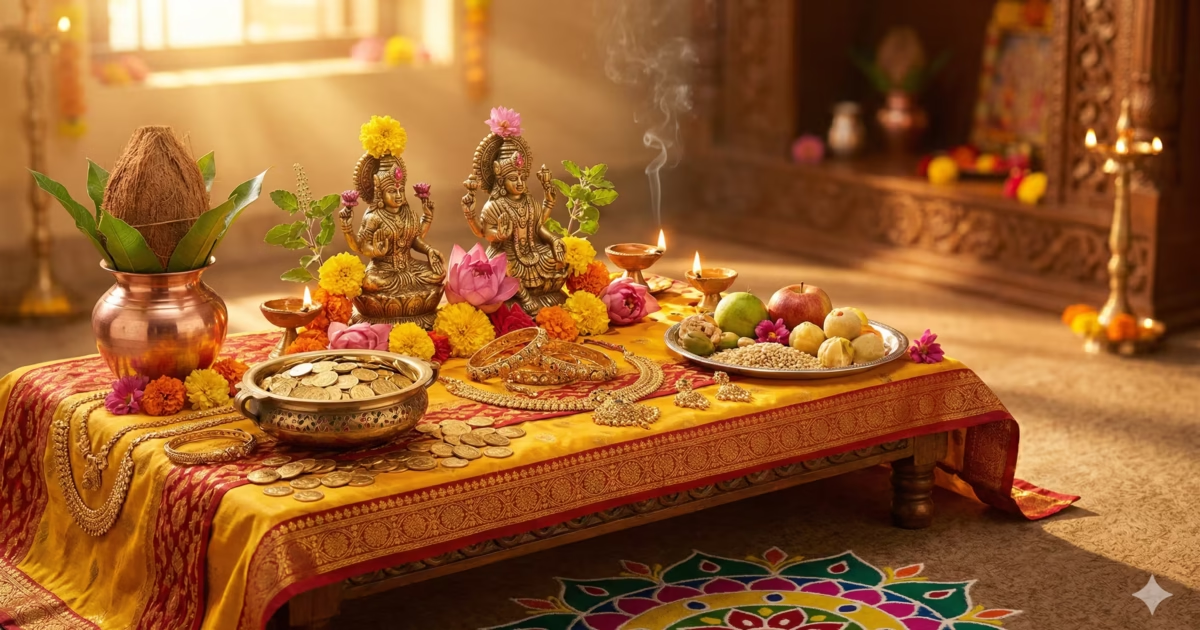
- Setting up the Sacred Altar: Place a wooden stool (chowki) in the northeast corner of your home (Ishan Kone). Cover it with a clean, unstitched yellow or red silk cloth. Carefully place the idols or framed pictures of Lord Vishnu, Goddess Lakshmi, and Lord Ganesha (who must be worshipped first to remove any obstacles).
- Kalash Sthapana (Optional but highly auspicious): Place a copper or brass Kalash (pot) filled with water, a coin, and betel nut. Place mango leaves at the mouth of the pot and rest a whole coconut on top.
- Abhishek (Bathing the Deities): If you have metal idols, gently bathe them first with pure water, then with Panchamrit (a sacred mixture of cow’s milk, curd, honey, ghee, and raw sugar). Finally, bathe them again with pure water or Gangajal and wipe them clean with a soft cloth.
- Offerings (Arpan): Apply fragrant sandalwood paste (Chandan) to Lord Vishnu and vermilion (Kumkum) to Goddess Lakshmi and Lord Ganesha. Offer vibrant yellow flowers (like marigolds), lotus flowers to Goddess Lakshmi, and fresh Tulsi leaves (strictly for Lord Vishnu, never for Ganesha). Offer whole grains like barley (Jau), wheat, and yellow mustard seeds, which symbolize agricultural wealth.
- Naivedya (Food Offering): Prepare and offer pure, homemade vegetarian dishes. Offer sweets made of milk, seasonal fruits, and a special traditional Prasad made of roasted gram (chana), jaggery, and yogurt. Many also offer Panakam (a sweet drink made of jaggery, water, and cardamom).
- Chanting and Aarti: Light a pure cow ghee lamp (Diya) and aromatic incense sticks. Sit peacefully and recite the Vishnu Sahasranama (the 1000 names of Lord Vishnu), the Kanakadhara Stotram, or simply chant the mantra “Om Namo Bhagavate Vasudevaya” 108 times using a Tulsi or Lotus seed rosary. Conclude the ritual by performing the Aarti of Goddess Lakshmi and Lord Vishnu, ringing a bell to purify the environment.
- Charity (Daan): The puja is considered incomplete without acts of giving. Distribute the blessed food, drinking water, clothing, or monetary dakshina to the poor, needy, and to Brahmin priests immediately after concluding the puja.
Importance of Buying Gold on Akshay Tritiya and Associated Beliefs
The tradition of buying gold on Akshay Tritiya is an incredibly deep-rooted cultural, emotional, and economic practice across India. Since the word ‘Akshay’ signifies ‘that which never diminishes,’ people firmly believe that buying gold on this day guarantees that their wealth, luck, and tangible assets will continuously multiply and remain safe from destruction.
Gold is not merely viewed as a precious metal; it is revered as the physical, earthly embodiment of Goddess Lakshmi. Bringing gold into the house on this day is akin to physically inviting the Goddess of Wealth to cross your threshold and reside in your home permanently.
In modern times, this tradition has evolved significantly. While purchasing physical gold jewelry and gold coins remains highly popular, the concept of “buying gold” has expanded to include more structured financial investments. To avoid making charges and storage issues, many modern families utilize the Akshay Tritiya 2026 gold buying time to invest in Sovereign Gold Bonds (SGBs) backed by the government, Gold ETFs (Exchange Traded Funds), or Digital Gold. Furthermore, the auspiciousness of the day encourages people to make other major asset purchases, such as buying silver, platinum, diamond jewelry, booking real estate, purchasing vehicles, and initiating Systematic Investment Plans (SIPs) in mutual funds.
Traditions and Customs Followed in Different Regions of India
Though the core essence of eternal prosperity remains the same, India’s incredible diversity ensures that Akshay Tritiya is celebrated with unique regional flavors, local legends, and specific agricultural customs:
- North India (Punjab, Haryana, Uttar Pradesh): Widely known as Akha Teej, it is heavily associated with the agrarian community. Farmers consider it an incredibly auspicious day to wake up before dawn and begin preparing their lands, plowing their fields, and praying for an abundant upcoming monsoon season and a rich crop yield.
- Odisha: This day marks the official commencement of the construction of the three massive, intricately carved wooden chariots for the world-famous Puri Jagannath Rath Yatra. It is also celebrated as Muthi Anukula, an agricultural festival where farmers ritually sow their first handful of seeds into the earth. It coincides with the beginning of the Chandan Yatra (Sandalwood festival) for the deities.
- West Bengal: Businessmen, traders, and shopkeepers celebrate this day as Hal Khata. It is an age-old tradition of formally closing the old financial account books and inaugurating new ones. They clean their shops, worship Lord Ganesha and Goddess Lakshmi, draw beautiful Alpona (rangoli) at the entrance, and distribute sweets and calendars to their regular and loyal customers to ensure continued business prosperity.
- South India (Tamil Nadu, Karnataka, Andhra Pradesh): Elaborate, grand pujas are held in ancient temples dedicated to Lord Vishnu and Goddess Lakshmi. Devotees offer special prayers, buy gold, and place great emphasis on Annadaanam (the donation of food). Many people buy salt on this day, as salt is also considered a symbol of Goddess Lakshmi and endless flavor.
- Maharashtra and Gujarat: Women perform Haldi Kumkum ceremonies, exchanging turmeric and vermilion for marital bliss. A specific custom involves setting up an earthen pot filled with water, a betel nut, and a coin, offering it to the ancestors. People also heavily consume and offer the season’s first Alphonso mangoes to the deities on this day.
- Rajasthan: Akshay Tritiya holds massive social significance as it is the most popular day for conducting marriages, including mass community weddings. The skies are colorful with kites, and traditional sweets like Ghevar are prepared and shared.
What to Do on Akshay Tritiya (Dos)
To align yourself with the positive cosmic vibrations of the day, certain practices are highly recommended:
- Perform Extensive Daan (Charity): Since Akshay Tritiya falls during the scorching hot month of Vaishakha, donating cooling items yields massive spiritual merit. Prioritize Jala Daan (donating water, earthen pots, or setting up water stations), Anna Daan (donating wheat, rice, and pulses), Vastra Daan (clothes), umbrellas, and footwear to those braving the heat.
- Buy Precious Metals: Purchase gold, silver, or even small copper/brass utensils according to your financial capacity. The intention matters more than the monetary value.
- Start New Ventures: Capitalize on the Abujh Muhurat. Inaugurate a new shop, launch a startup business, sign important contracts, buy a vehicle, or conduct a Griha Pravesh (housewarming).
- Honor Ancestors (Pitra Tarpan): Offering water with black sesame seeds to your ancestors on this day brings peace to their souls and removes ancestral blockages (Pitra Dosh) from your life.
- Feed the Animals: Nature is considered divine. Feeding fresh green grass to cows (Gho Mata) and offering water and grains to birds is considered highly virtuous and clears negative karmic debts.
What to Avoid on Akshay Tritiya (Don’ts)
Just as certain actions multiply positive energy, avoiding negative actions is crucial to prevent the accumulation of bad karma:
- Avoid Clutter, Dirt, and Darkness: Goddess Lakshmi is said to strictly avoid homes that are messy, dusty, or poorly lit. Ensure your home is thoroughly cleaned. Do not leave the house entirely dark during the evening; keep a lamp lit near the entrance or the Tulsi plant.
- No Tamsik Food: Maintain physical and spiritual purity by abstaining completely from consuming non-vegetarian food, alcohol, onions, and garlic on this sacred day. Eat a simple, Sattvic diet.
- Avoid Lending or Borrowing Money: While donating money for charity is highly encouraged, lending money as a personal loan or borrowing money is traditionally considered a bad omen. It is believed that giving away your working capital on this day transfers your financial luck to the other person.
- Prevent Conflicts and Anger: Maintain an atmosphere of profound peace and joy at home. Avoid getting into arguments, displaying anger, thinking ill of others, and using harsh or abusive words. Negative emotions generated on this day can have long-lasting effects.
- Do Not Break Vows: If you have taken a Sankalpa (vow) for fasting or reciting a specific number of mantras, ensure you complete it without interruption.
Spiritual, Cultural, and Financial Benefits Associated with this Festival
The celebration of Akshay Tritiya operates harmoniously on three profound levels of human existence, touching upon the core tenets of Dharma (righteousness), Artha (wealth), Kama (desire), and Moksha (liberation).
Spiritually, taking holy dips, observing fasts, meditating, and reading holy scriptures forcefully cleanse past karmas and elevate the soul’s frequency. It acts as an annual spiritual reset, reminding individuals that the true “Akshay” (imperishable) wealth is one’s spiritual connection and good deeds, which travel with the soul beyond physical death.
Culturally, it unites diverse communities through shared traditions, festive feasting, and the collective joy of witnessing new beginnings. It bridges the gap between the rich and the poor through mandated acts of charity, fostering a sense of social responsibility and compassion.
Financially, it serves as an excellent annual reminder to secure one’s future and practice financial discipline. By actively encouraging the purchase of gold, the investment in stable assets, and the avoidance of unnecessary debt, the festival instills a wise habit of wealth creation. It promotes long-term economic stability, ensuring that prosperity and abundance flow seamlessly from one generation to the next, truly capturing the essence of being “Akshay” or eternal.