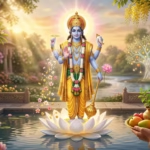
Papmochani Ekadashi is one of the most spiritually important Ekadashi observances in the Hindu calendar. Devotees across India observe this sacred day by fasting, praying, and performing acts of charity to seek forgiveness for past sins and to attain divine blessings from Lord Vishnu. The word Papmochani literally means “the remover of sins,” which explains why this Ekadashi is believed to cleanse devotees from negative karmic effects.
Every year, thousands of devotees search for information about papmochani ekadash to understand the correct date, timing, and rituals for observing the fast properly. This article provides complete details about the festival, including the Papmochani Ekadashi Date and Time rituals, and the deeper papmochani ekadashi significance according to Hindu scriptures.
Papmochani Ekadashi
Papmochani Ekadashi occurs during the Krishna Paksha (waning phase of the moon) in the Hindu lunar month of Chaitra. It is dedicated to Lord Vishnu, who is considered the protector of the universe. Devotees observe a strict fast and perform prayers to seek purification of the mind and soul.
According to religious beliefs, observing Papmochani Ekadashi with devotion helps individuals overcome sins committed knowingly or unknowingly. Many devotees believe that fasting on this day helps eliminate negative karma and brings spiritual peace.
The observance of papmochani ekadashi is especially significant for those who wish to begin the upcoming Chaitra Navratri with spiritual purity. Devotees wake up early, take a holy bath, worship Lord Vishnu, and follow the Ekadashi fasting rules.
Many temples organize special prayers, Vishnu Sahasranama recitations, and spiritual gatherings on this day. Devotees also listen to the Papmochani Ekadashi Vrat Katha, which explains the religious importance of the fast.
Papmochani Ekadashi Date and Time 2026
According to the Hindu Panchang, the Ekadashi fast is observed based on the lunar tithi rather than the standard calendar date. Therefore, devotees carefully follow the timing of the Ekadashi tithi when observing the fast. Below are the important details related to papmochani ekadashi 2026.
Papmochani Ekadashi 2026 Date
Papmochani Ekadashi in 2026 will be observed on March 15, 2026. Devotees across India will observe the fast and worship Lord Vishnu on this day with great devotion.
Ekadashi Tithi Timing
The Ekadashi tithi determines the correct day for observing the vrat. The tithi details for papmochani ekadashi 2026 are as follows:
Ekadashi Tithi Begins: March 14, 2026 – 08:10 AM
Ekadashi Tithi Ends: March 15, 2026 – 09:16 AM
Because Ekadashi observance depends on the sunrise timing during the tithi, most devotees will observe the fast on March 15, 2026.
Parana Time (Breaking the Fast)
The Ekadashi fast is traditionally broken on the following day during the Dwadashi tithi. For papmochani ekadashi 2026, devotees are expected to perform Parana on March 16, 2026 between 06:30 AM and 08:54 AM, usually after sunrise and within the recommended muhurta.
Devotees should confirm the exact Parana time using a reliable Panchang or temple calendar, as timings may vary slightly depending on geographical location.
Fasting Practices Followed by Devotees
During papmochani ekadashi 2026, devotees follow different fasting practices depending on tradition and personal capability:
- Nirjala Fast: Complete fasting without food or water.
- Phalahar Fast: Consumption of fruits, milk, and sattvic foods.
- Partial Fast: Avoiding grains, beans, and certain vegetables while consuming simple vrat foods.
Regardless of the type of fast observed, devotees spend the day in prayer, chanting Vishnu mantras, reading sacred texts, and listening to the Ekadashi Vrat Katha.
Papmochani Ekadashi Significance
The papmochani ekadashi significance is deeply rooted in Hindu scriptures and Puranic traditions. According to ancient texts, observing this Ekadashi with devotion can free a person from sins committed in past lives and the present life.
One of the most popular stories associated with this Ekadashi appears in the Bhavishya Purana. In this story, Sage Medhavi fell under the influence of a celestial dancer named Manjughosha and forgot his spiritual path. Later, when he realized his mistake, he observed the Papmochani Ekadashi fast and was freed from the curse caused by his actions.
This story highlights the papmochani ekadashi significance as a powerful opportunity for repentance, self-reflection, and spiritual purification.
Devotees believe that sincere fasting and prayer on this day bring several spiritual benefits, including:
- Removal of past sins
- Inner peace and mental clarity
- Blessings of Lord Vishnu
- Protection from negative karma
- Spiritual growth and purification
Because of the profound papmochani ekadashi significance, many devotees also perform acts of charity on this day. Donating food, clothes, or helping the poor is believed to multiply the spiritual benefits of the fast.
Listening to the Papmochani Ekadashi Vrat Katha, chanting Vishnu mantras, and reading sacred texts are also considered highly auspicious.
Rituals Observed on Papmochani Ekadashi
Devotees follow several traditional rituals on this sacred day:
- Wake up early during Brahma Muhurta.
- Take a holy bath and wear clean clothes.
- Worship Lord Vishnu with flowers, incense, and lamps.
- Observe fasting throughout the day.
- Chant Vishnu mantras such as “Om Namo Bhagavate Vasudevaya”.
- Read or listen to the Papmochani Ekadashi Vrat Katha.
- Perform charity and help those in need.
These practices further highlight the spiritual importance and papmochani ekadashi significance in Hindu tradition.