Kamada Ekadashi is one of the most auspicious and spiritually significant days in the Hindu calendar. Celebrated during the Shukla Paksha (waxing phase of the moon) in the Hindu month of Chaitra (March–April), it is deeply revered by devotees of Lord Vishnu. Coming right after the vibrant festival of Navratri and Rama Navami, it is the first Ekadashi of the Hindu New Year.
The word “Kamada” translates to “the granter of desires” (Kama means desires, and Da means giver). True to its name, observing this holy fast is believed to fulfill the righteous wishes of devotees, cleanse past sins, and guide the soul toward Moksha (liberation). Whether you are observing the fast for spiritual elevation or inner peace, understanding the rituals, rules, and stories behind Kamada Ekadashi can profoundly enrich your experience.
Kamada Ekadashi 2026: Date, Tithi, and Parana Time
If you are planning to observe the fast in 2026, it is crucial to follow the precise Tithi (lunar day) and Parana (fast-breaking) timings to reap the full spiritual benefits.
Here are the specific details for Kamada Ekadashi in 2026:
- Date of Fasting: Sunday, March 29, 2026
- Ekadashi Tithi Begins: 08:45 AM on Saturday, March 28, 2026
- Ekadashi Tithi Ends: 07:46 AM on Sunday, March 29, 2026
- Parana (Fast-Breaking) Time: 06:14 AM to 07:09 AM on Monday, March 30, 2026
- Parana Day Dwadashi End Moment: 07:09 AM on March 30, 2026
(Note: Devotees generally observe the fast on the day the Ekadashi Tithi coincides with the sunrise, known as Udaya Tithi, which falls on March 29 in 2026. It is essential to break the fast within the auspicious Parana window before the Dwadashi Tithi ends.)
The Significance of Kamada Ekadashi
Kamada Ekadashi is highly extolled in ancient Hindu scriptures like the Varaha Purana and the Padma Purana. It holds a distinct place among the 24 Ekadashis of the year for several reasons:
- Wish Fulfillment: As the name implies, Lord Vishnu blesses true devotees by granting their righteous material and spiritual desires.
- Eradication of Sins: It is believed that observing this fast with a pure heart can neutralize the karmic effects of grave sins.
- Spiritual Rejuvenation: Falling at the start of the Hindu New Year (Chaitra month), it offers a chance to begin the year with a cleansed mind, detoxified body, and a renewed spiritual focus.
The Legend Behind the Fast: Kamada Ekadashi Vrat Katha
The greatness of Kamada Ekadashi was narrated by Lord Krishna to King Yudhishthira, tracing back to an ancient legend involving King Pundarika of Ratnapura.
King Pundarika ruled a prosperous kingdom inhabited by Gandharvas, Kinnaras, and Apsaras. In his court was a beautiful celestial singer named Lalit and his wife, an exquisite dancer named Lalita. The couple was deeply in love.
One day, while singing in the royal court, Lalit’s thoughts drifted to his beloved wife. This distraction caused him to miss a beat and falter in his melody. A jealous serpent (Karkotaka) noticed this and informed the king that Lalit was singing out of tune because he was lusting after his wife rather than being devoted to the king’s court. Enraged by this lack of dedication, King Pundarika cursed Lalit to turn into a terrifying, man-eating demon (Rakshasa).
Heartbroken, Lalita wandered the forests alongside her demon-husband, witnessing his terrible suffering. During her wanderings, she stumbled upon the ashram of the revered Sage Shringi. She tearfully explained her plight and sought a remedy.
Sage Shringi advised her to observe the Kamada Ekadashi Vrat with utmost devotion and dedicate the merit of her fasting to her husband. Lalita followed the sage’s instructions perfectly. Pleased by her devotion, Lord Vishnu accepted her prayers. Miraculously, Lalit was freed from the curse, regaining his handsome Gandharva form. The couple lived happily thereafter and eventually attained Vaikuntha (the abode of Lord Vishnu).
Fasting Rules and Vrat Vidhi
Observing an Ekadashi fast requires discipline, purity, and devotion. Here is the systematic way to observe Kamada Ekadashi:
1. Preparation on Dashami (The Day Before)
The preparation begins on the 10th lunar day (Dashami). Devotees should consume only one simple, Sattvic (pure) meal before sunset and avoid eating rice, lentils, and heavy foods.
2. The Day of Ekadashi
- Morning Rituals: Wake up early during Brahma Muhurta (before sunrise) and take a purifying bath.
- Sankalpa (Vow): Stand before the deity of Lord Vishnu (or Lord Krishna), light a diya (lamp), and take a solemn vow to observe the fast with a pure mind.
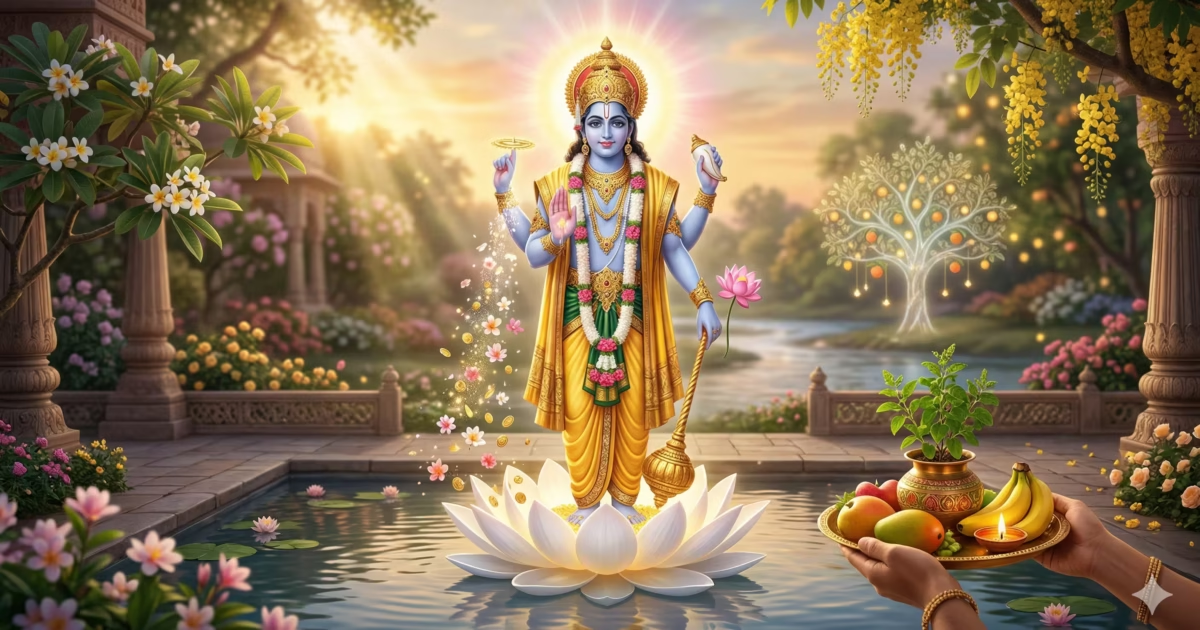
- Puja: Offer yellow flowers, sandalwood paste (chandan), fruits, and the highly sacred Tulsi leaves to Lord Vishnu. Chanting the mantra “Om Namo Bhagavate Vasudevaya” is highly recommended.
- The Fast: Devotees may choose to observe a strict waterless fast (Nirjala), a water-only fast, or a Phalahari fast (eating only fruits and milk), depending on their health and capacity.
- Night Vigil (Jagran): It is considered highly auspicious to stay awake during the night of Ekadashi, singing hymns, reading scriptures like the Bhagavad Gita, and meditating on Lord Hari.
3. Parana (Breaking the Fast) on Dwadashi
The fast must be broken the next day (Dwadashi) during the specific Parana window. Before eating, one should offer food and charity to a Brahmin or the needy.
What to Eat and Avoid During the Fast
If you are observing a partial fast (Phalahari), strict dietary rules apply:
What to Eat:
- Fresh fruits (bananas, apples, grapes, etc.)
- Milk, yogurt, and paneer
- Nuts (almonds, walnuts) and dry fruits
- Root vegetables (potatoes, sweet potatoes)
- Sago (Sabudana), Makhanas (fox nuts), and Buckwheat (Kuttu) flour
What to Strictly Avoid:
- All forms of grains (Rice, Wheat, Barley)
- Lentils and beans (Dal)
- Onion, garlic, and heavy spices
- Non-vegetarian food and alcohol
- Table salt (use Sendha Namak or rock salt instead)
Spiritual Benefits of Observing Kamada Ekadashi
- Mental Clarity: Fasting detoxifies the body and calms the mind, making it easier to meditate and focus on positive thoughts.
- Karmic Cleansing: It helps in mitigating the negative reactions of past wrongdoings.
- Cultivation of Discipline: Controlling hunger and desires for a day strengthens willpower and detachment from materialism.
Special Rituals and Regional Practices
- Tulsi Worship: Since Tulsi is dear to Lord Vishnu, watering the Tulsi plant and lighting a ghee lamp near it in the evening is a widespread practice on this day.
- Charity (Daan): Donating food, clothes, sesame seeds, or money to the underprivileged on Kamada Ekadashi is believed to bring multiplied blessings.
- Worship of Lord Shiva: In some regions, devotees also offer raw milk, Ganga Jal, and Bilva leaves to Lord Shiva on this day, as it is believed that the blessings of both Hari (Vishnu) and Hara (Shiva) bring ultimate peace.
Kamada Ekadashi is much more than a physical fast; it is a profound spiritual exercise in devotion, self-control, and divine surrender. By observing the Kamada Ekadashi on March 29, 2026, and breaking it at the right Parana time, devotees can rid themselves of negativity, fulfill their noble aspirations, and take a step closer to spiritual liberation. May Lord Vishnu bless you with peace, prosperity, and joy on this auspicious day!