Located in the serene, sun-baked village of Sarangpur (also known as Salangpur) within the Botad district of Gujarat, the Shri Kashtabhanjan Dev Hanuman Mandir stands as a towering beacon of faith, devotion, and divine intervention. Set against the rustic backdrop of the Bhal region, this temple is uniquely renowned across the globe because it is one of the rare Swaminarayan temples where Lord Hanuman—rather than Lord Swaminarayan or his divine successors—is worshipped as the primary presiding deity.
Revered universally as “Kashtabhanjan” (a Sanskrit compound meaning “the crusher of sorrows” or “destroyer of afflictions”), Lord Hanuman here is believed to actively relieve his devotees from physical ailments, mental anguish, and spiritual blockages. Millions of pilgrims from diverse backgrounds and sects visit this sacred site every year to seek the boundless blessings of Bajrangbali, making it not only one of the most prominent pilgrimage destinations in Gujarat but a profoundly important spiritual epicenter for Hanuman devotees worldwide.
Deep History and Divine Origin of the Sarangpur Hanuman Mandir
The origins of the Sarangpur Hanuman Mandir are deeply intertwined with the early days of the Swaminarayan Sampradaya and the socio-spiritual landscape of 19th-century Gujarat. The temple’s foundational history dates back to the year 1848 AD (Vikram Samvat 1905), a period when rural communities often lacked advanced medical facilities and relied heavily on spiritual guidance.
The Plight of the Villagers and Gopalanand Swami’s Vision
According to historical Swaminarayan texts and local oral traditions, the villagers of the surrounding areas were passing through an intensely dark period. They were heavily tormented by unexplained prolonged diseases, the malevolent presence of evil spirits, and overwhelming life miseries that defied ordinary solutions. Hearing of their plight, Sadguru Gopalanand Swami, one of the most senior, spiritually enlightened paramhansas (disciples) of Lord Swaminarayan, arrived in Sarangpur.
Moved by profound compassion for the suffering masses, Gopalanand Swami resolved to create a permanent source of divine protection. He decided to install an idol of Lord Hanuman, the ultimate symbol of strength, purity, and absolute devotion.
The Divine Sketch and the Pran Pratishtha
Gopalanand Swami commissioned a highly talented and devout artist named Kanaji to draw a sketch of the deity. Rather than a standard depiction, the Swami guided Kanaji based on his own divine visions, instructing him to capture a specific, authoritative manifestation of Hanuman. Once the sketch was perfected, a majestic idol was meticulously carved from stone.
The installation ceremony (Pran Pratishtha) was a momentous event. It is recorded that during the climax of the ritual, Gopalanand Swami touched the newly carved idol with his sanctified wooden rod (a lakdi). Through this touch, he transferred his immense spiritual energy and invoked the living presence of the deity into the stone. Eyewitness accounts passed down through generations claim that the idol instantly began to tremble and shake, a miraculous sign symbolizing the manifestation of Lord Hanuman’s living, breathing energy. Since that historic day, the temple has operated as a dynamic center of divine healing and unwavering faith.
The Presiding Deity: Shri Kashtabhanjan Dev in Detail
The main deity of the temple is Lord Hanuman, worshipped in his formidable, royal, and yet deeply compassionate form as “Shri Kashtabhanjan Dev.” The physical appearance of the murti (idol) is exceptionally striking, commanding immediate reverence and leaving a lasting imprint on the minds of visitors.
Iconography and the Legend of Shani Dev
Lord Hanuman is depicted with a stout, immensely muscular physique and a distinguished, thick handlebar moustache, radiating both raw power and majestic authority. He is seen standing firmly, actively crushing a grimacing female demon beneath his left foot.
This specific iconography is tied to a fascinating episode in Hindu mythology. The demon under his foot is actually Lord Shani (the planetary deity of Saturn, known for dispensing karmic justice and creating hardships). According to the legend, Shani Dev’s afflictions had grown so severe that devotees pleaded with Lord Hanuman for rescue. Knowing Hanuman’s immense power, Shani Dev realized he could not win in a direct confrontation. Because Lord Hanuman observed strict, lifelong celibacy (Brahmacharya), he had vowed never to raise his hand or use force against a woman.
Exploiting this vow, Shani Dev transformed himself into a female demon. However, Hanumanji, recognizing the trick but honoring his vow, simply stepped on the female form, subduing Shani Dev without striking a blow. By taking refuge under Hanuman’s feet, Shani Dev surrendered and promised never to unjustly trouble or bring misfortune to any devotee who genuinely prays to Shri Kashtabhanjan Dev.
As a testament to his royal status as the “King of Salangpur,” the deity is continually adorned with impossibly intricate, heavy gold and silver ornaments, a towering majestic crown studded with precious gems, and magnificent floral garlands that are changed multiple times a day.
Spiritual Importance, Exorcism, and Divine Healing
The spiritual magnetism of the Sarangpur Hanuman Mandir is largely centered around its widespread reputation for divine exorcism, psychiatric relief, and miraculous healing. The temple serves as a sanctuary for those whose suffering has found no worldly cure—particularly those dealing with mental illnesses, unexplained prolonged depression, the terrifying effects of black magic, and the harsh astrological periods of Shani (such as Shani Sade Sati).
Devotees believe that the deity’s gaze is “live.” Simply looking deeply into the eyes of the Kashtabhanjan Dev idol and performing a Pradakshina (circumambulation) around the main shrine is believed to cleanse the aura and drive away lingering negative energies.
The atmosphere inside the temple is actively curated to promote healing. The continuous, rhythmic chanting of the Swaminarayan Mahamantra, the powerful recitation of the Hanuman Chalisa, and the resonating sounds of temple bells create a highly charged acoustic environment. This powerful aura of peace and unshakeable positivity provides immense psychological and spiritual comfort, allowing distressed souls to find an anchor in their faith.
Magnificent Temple Architecture and Design
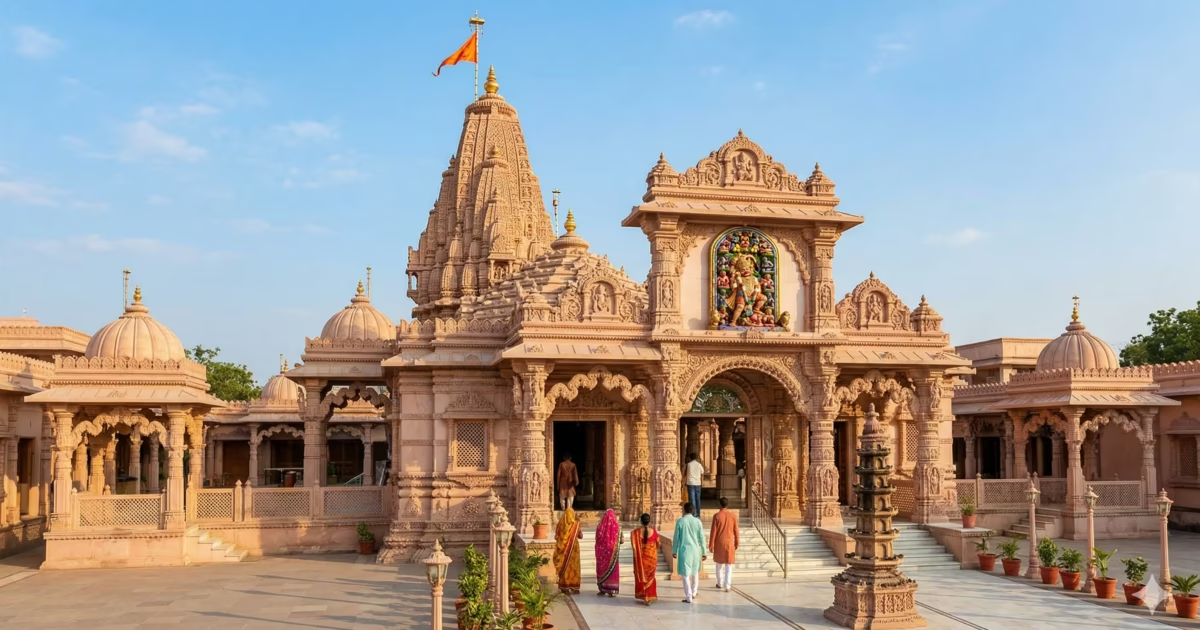
The architecture of the Sarangpur Hanuman Mandir is a splendid reflection of traditional Swaminarayan design philosophy, which seamlessly blends intricate ancient artistry with vast, modern, accommodating spaces designed for mass worship and community service.
The Main Shrine and Sabha Mandap
The core temple complex is built from premium marble and stone, featuring stunningly detailed carvings of celestial beings, floral motifs, and elephants. Visitors enter through a majestic, towering gateway that leads into a wide, impeccably clean courtyard. The sanctum sanctorum (Garbhagriha), where the sacred idol is seated, features breathtakingly ornamented solid silver doors. The walls surrounding the inner shrine are covered in vibrant, intricate murals and relief works depicting various heroic episodes from the Ramayana and the life of Lord Swaminarayan. The massive assembly hall (Sabha Mandap) allows thousands of devotees to sit comfortably and sing bhajans in the deity’s presence.
The “King of Salangpur” Monument
A recent, monumental addition to the temple complex is the “King of Salangpur” (Salangpur no Raja) project, inaugurated to accommodate the growing global footfall. This architectural marvel features a colossal, 54-foot-tall statue of Lord Hanuman crafted entirely from heavy bronze. The statue rests upon a grand, multi-tiered pedestal.
The surrounding area has been developed into a beautiful, landscaped heritage corridor. The base of the statue features a massive 3D-carved mural wall depicting the life journey of Lord Hanuman in stunning detail. A dedicated Parikrama (circumambulation) path allows devotees to walk around this magnificent structure, making it a focal point for photography and evening meditation.
The Mega Kitchen (Shri Hari Bhojanalay)
True to the Swaminarayan tradition of Seva (selfless service) and Annadaan (the donation of food), the temple houses one of the largest, highly automated, and most hygienic temple dining halls in India. The mega kitchen features state-of-the-art mechanized roti-makers, massive eco-friendly steam boilers for cooking rice and lentils, and a dining hall capable of seating thousands simultaneously. Regardless of caste, creed, or status, every visitor is respectfully served a free, unlimited, and deeply nourishing vegetarian meal (Prasad) every single day.
Daily Rituals, Sensorial Experiences, and Special Poojas
The daily schedule at the temple follows strict Vaishnava traditions, maintaining the utmost levels of purity, devotion, and punctuality. The rituals engage all the senses, creating a profound spiritual experience.
- Daily Aarti Schedule: The spiritual day begins in the pre-dawn hours with the Mangla Aarti at around 5:30 AM. Witnessing the deity in the quiet of the morning is an incredibly serene experience. This is followed by the Shangar Aarti, where the deity is revealed in spectacular new garments and jewelry. At midday, the Rajbhog Aarti is performed alongside a lavish offering of food. The day concludes with the Sandhya Aarti at sunset, accompanied by the thunderous playing of drums and conch shells.
- Shangar (Adornment): A unique feature of this temple is the daily Shangar. The priests decorate the deity in thematic clothing—sometimes dressed in vibrant silks, other times covered entirely in sandalwood paste, or surrounded by dry fruits and flowers—ensuring that regular visitors experience a fresh, divine vision (Darshan) every day.
- Special Poojas: Devotees looking to express gratitude or seek specific blessings can sponsor various offerings, such as the Rajbhog Thali (a grand feast for the deity) or intricate floral decorations known as Phool Mandali.
- The Lakdi Healing Ritual: For those specifically seeking relief from evil spirits, severe anxiety, or mental distress, a highly specialized ritual is conducted in the temple courtyard. Temple priests gently tap the afflicted person’s head with the sacred wooden rod (Lakdi) that originally belonged to Sadguru Gopalanand Swami. Accompanied by the chanting of sacred protective mantras, this physical touch is deeply believed to instantly sever the ties of negative entities and restore mental equilibrium.
Major Festivals and the Best Time to Visit
While the temple is perpetually bustling with devotees, certain occasions elevate the spiritual fervor to extraordinary, euphoric levels, turning the village into a massive spiritual carnival.
- Hanuman Jayanti: Celebrating the birth of Lord Hanuman (usually falling in March or April), this is the undisputed zenith of the temple’s calendar. The entire complex is lavishly decorated with hundreds of thousands of fresh flowers and brilliant lighting. Massive processions, night-long devotional singing (Bhajan Sandhyas), and special aartis are organized. The crowd swells into the hundreds of thousands, requiring months of logistical preparation.
- Diwali and Annakut: Following the Hindu New Year, an awe-inspiring Annakut (mountain of food) is arranged. Devotees and temple chefs prepare literally hundreds of diverse vegetarian delicacies, sweets, and savories, which are meticulously arranged in front of the deity in a grand display of gratitude before being distributed as prasad.
- Holi (Pushpadolotsav): The festival of colors is celebrated with immense joy, honoring the Swaminarayan tradition of Pushpadolotsav, where the deity and the devotees are showered with thousands of kilograms of flower petals and sacred colored powder.
- Saturdays and Tuesdays: Because these two days of the week are historically dedicated to Lord Hanuman, they witness exceptionally high footfall. Visiting the temple on a Saturday is considered the ultimate astrological remedy for pacifying a turbulent Shani Dev and seeking Hanumanji’s protective embrace.
Best Time to Visit: To experience the temple comfortably, the ideal time to visit is during the winter months, between October and March. The weather in Gujarat during this period is pleasant and cool, making long walks across the vast temple complex, participating in outdoor rituals, and waiting in lines a much more comfortable experience compared to the blistering summer heat.
Unique Beliefs, Miracles, and Modern Advancements
- The Narayan Kund (Holy Water Well): Situated within the temple complex is an ancient step-well containing water that is believed to have been sanctified by Lord Swaminarayan himself during his visits to the region. Devotees collect this water, consuming it as Charanamrit (holy nectar) and sprinkling it in their homes to cure physical ailments and purify their living spaces.
- The Ultimate Remedy for Shani Dosha: In traditional Vedic astrology, an unfavorable placement of Saturn can cause years of immense hardship. Astrologers nationwide routinely recommend a pilgrimage to the Sarangpur Temple for individuals undergoing these harsh planetary transits. It is a resolute belief that Hanumanji’s protective shield here completely nullifies Shani’s wrath.
- Technological Integration: Blending ancient faith with modern convenience, the temple administration is highly progressive. They were among the pioneers in India to offer high-definition live webcasts of daily aartis and darshan. Furthermore, the temple complex features massive solar panel installations to power its facilities, advanced crowd-management digital queuing systems, and seamless online platforms for booking accommodations and offering digital donations.
Practical Visitor Information and Travel Guide
Planning a trip to the Sarangpur Hanuman Mandir is highly convenient, thanks to the world-class infrastructure developed by the temple trust and the Gujarat state government.
- Temple Timings: The temple is generally open for Darshan from 5:30 AM to 9:00 PM. Visitors should note that Darshan is briefly paused during the afternoon (usually between 12:00 PM and 3:15 PM) to allow the deity to rest, and for short intervals during the offering of meals (Bhog).
- Entry Rules and Accessibility: Entry to the temple is completely free of charge. The management has constructed shaded, barricaded queue systems with seating arrangements and drinking water facilities to ensure orderly Darshan. The entire complex is highly accessible, with ramps and wheelchairs available free of cost for senior citizens and differently-abled devotees.
- Dress Code: To maintain the sanctity of the spiritual environment, visitors are expected to wear modest, traditional, and respectful clothing. Sleeveless tops, shorts, mini-skirts, and revealing clothes are strictly prohibited for both men and women.
- Accommodation Facilities: Pilgrims do not need to worry about lodging. The temple trust operates massive, highly affordable, and impeccably maintained guesthouses (Dharamshalas) ranging from basic dormitories to premium AC rooms. Booking can often be done upon arrival, though prior online booking is highly recommended during festival seasons.
- How to Reach Sarangpur:
- By Air: The closest domestic airport is in Bhavnagar (approx. 75 km away). However, the Sardar Vallabhbhai Patel International Airport in Ahmedabad (approx. 150 km away) offers vastly superior connectivity to major global and Indian cities.
- By Train: The nearest major railway junction is Botad Junction, situated just about 12 kilometers from the temple. Botad is well-connected to major Gujarati cities. From the station, frequent state buses, auto-rickshaws, and private taxis offer quick and inexpensive rides directly to the temple gates.
- By Road: Sarangpur boasts excellent road connectivity. Smooth, multi-lane state highways link it directly to Ahmedabad, Rajkot, Bhavnagar, and Vadodara. The Gujarat State Road Transport Corporation (GSRTC) runs special, frequent direct buses to the Sarangpur temple from major bus terminals across the state, making it incredibly accessible for a day trip or a weekend pilgrimage.