The life of Maryada Purushottam Lord Shri Ram is the ultimate symbol of Indian culture, faith, and highest human ideals. According to the Hindu calendar, the holy festival of Ram Navami is celebrated on the ninth day (Navami) of the Shukla Paksha (bright half) in the month of Chaitra. This day is not just a festivity; it is a profoundly sacred occasion that marks the establishment of righteousness (Dharma), the victory of truth, and the remembrance of human ideals. Let us explore in detail why Ram Navami is celebrated, its mythological history, and its deep spiritual significance in Hinduism.
Why is Ram Navami Celebrated?
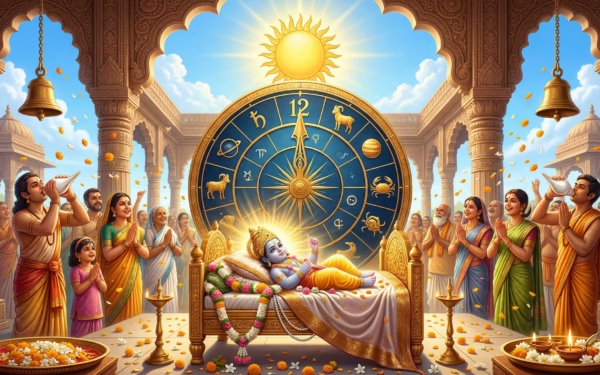
Ram Navami is primarily celebrated as the birth anniversary of Lord Shri Ram. According to religious beliefs, during the Treta Yuga, when the atrocities of demons—especially the demon king of Lanka, Ravana—had crossed all limits on Earth, Lord Vishnu took his seventh incarnation as a human. He was born as a son to King Dasharatha of Ayodhya to protect Dharma and destroy the wicked.
Lord Ram incarnated on the Navami Tithi of Chaitra Shukla Paksha under the Punarvasu Nakshatra and Cancer (Karka) ascendant. To commemorate this highly auspicious day and to express their boundless devotion to Lord Ram, Sanatana Dharmis all over the world celebrate the festival of Ram Navami with immense joy and enthusiasm every year.
The Mythological History of Ram Navami
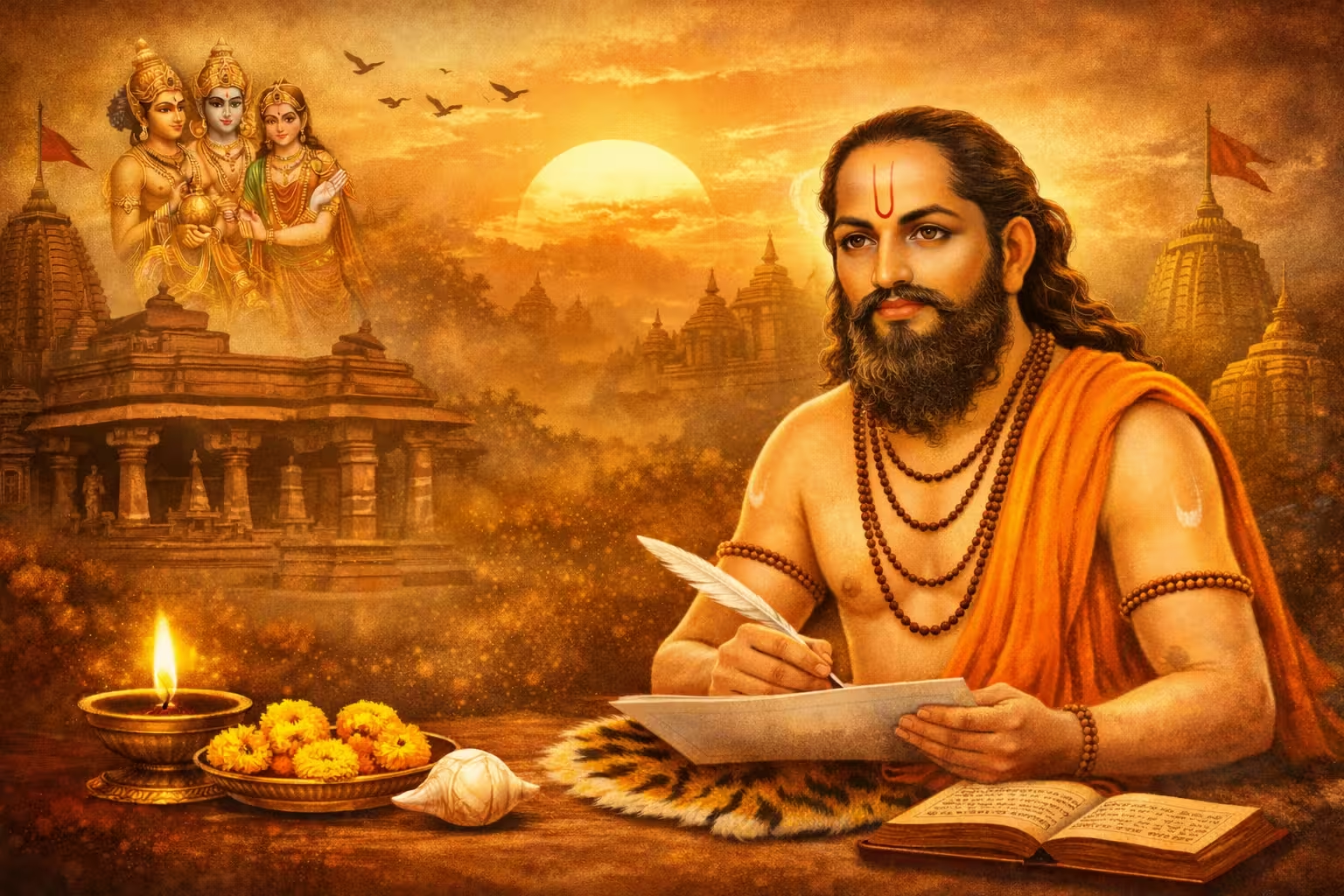
The story of Lord Ram’s birth is incredibly fascinating and filled with spiritual messages. A vivid description of this event is found in the Valmiki Ramayana and the Ramcharitmanas composed by Goswami Tulsidas:
- Putrakameshti Yagna: The great King Dasharatha of Ayodhya had three queens—Kaushalya, Kaikeyi, and Sumitra. However, even after many years of marriage, they did not have any children. King Dasharatha was deeply worried about the continuation of his lineage.
- Guidance of Sage Vashistha: Upon the advice of his royal priest, Guru Vashistha, King Dasharatha organized a ‘Putrakameshti Yagna’ (a fire sacrifice performed to have a male child) under the direction of Sage Shringi.
- Appearance of Agni Dev: At the completion of the Yagna, the Fire God (Agni Dev) himself appeared from the sacrificial fire and handed King Dasharatha a bowl of divine sweet pudding (Kheer or Payasam).
- Distribution of Kheer and Birth of Shri Ram: King Dasharatha divided the divine Kheer among his three queens. By the miraculous effect of this Kheer, on the ninth day of Chaitra Shukla, Lord Shri Ram was born from the womb of Mother Kaushalya. Bharat was born to Mother Kaikeyi, while Lakshman and Shatrughan were born to Mother Sumitra.
Because of this historical and divine event, the ninth day of Chaitra Shukla was immortalized forever as ‘Ram Navami’.
Religious and Spiritual Significance of Ram Navami
The festival of Ram Navami is more than just a birthday; it is a spiritual message aimed at elevating human life.
1. Symbol of the Victory of Truth over Untruth
Lord Ram incarnated to destroy arrogant and tyrannical forces like Ravana. Ram Navami gives us the message that no matter how dense the darkness may be, ultimately, truth and righteousness (Dharma) always triumph.
2. Inspiration of Ideals and Morals
Lord Ram is known as Maryada Purushottam (the supreme man of honor and righteousness). He lived his life setting the benchmark for being an ideal son, an ideal brother, an ideal friend, an ideal husband, and an ideal king. The day of Ram Navami inspires us to adopt these high ideals and moral boundaries in our own lives.
3. Conclusion of Chaitra Navratri (Maha Navami)
Ram Navami also marks the conclusion of the nine-day-long Vasantik (Chaitra) Navratri. After worshipping Adi Shakti Maa Durga for nine days, the birth of Lord Ram on the ninth day represents a beautiful confluence of Shakti (divine power) and Bhakti (devotion). This day is considered highly auspicious for self-purification and attaining spiritual accomplishments.
Simple Puja Vidhi (Rituals) for Ram Navami
Worshipping with proper rituals on Ram Navami brings peace, prosperity, and happiness to the household:
- Morning Bath and Sankalpa: Wake up before sunrise, take a holy bath, wear clean clothes, and take a vow (Sankalpa) for fasting or worship.
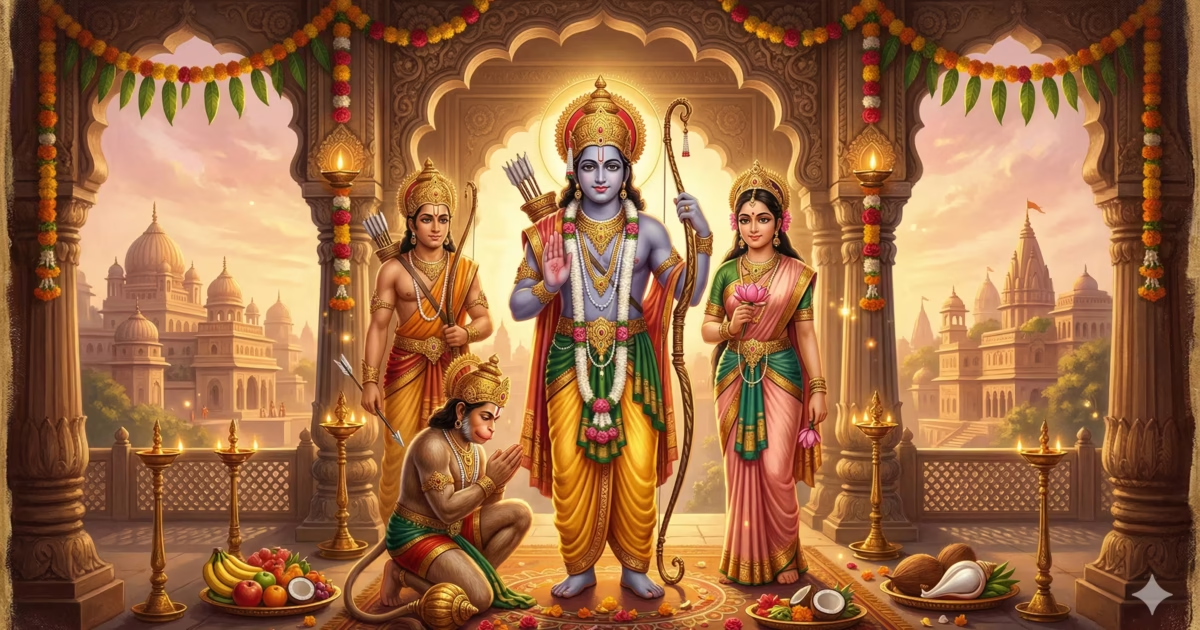
- Purification of the Puja Area: Clean the home shrine. Spread a yellow or red cloth on a wooden stool (Chowki) and place the idols or pictures of Lord Ram, Mother Sita, Lord Lakshman, and Lord Hanuman.
- Shodashopachara Puja: Bathe the deities with Panchamrit (a mixture of milk, curd, honey, ghee, and sugar). Offer sandalwood paste, kumkum, intact rice grains (Akshat), yellow flowers, Tulsi leaves, and garlands.
- Bhog and Aarti: Offer Lord Shri Ram a special Bhog (food offering) of Panjiri, fruits, sweets, and especially Kheer. After this, perform the Aarti using incense (Dhoop) and a ghee lamp (Deep).
- Chanting and Hymns: Reciting scriptures like the ‘Ramcharitmanas’, ‘Sundarkand’, or ‘Ram Raksha Stotra’ on this day is considered highly fruitful.
Beneficial and Powerful Mantras for Ram Navami
To seek the blessings of Lord Ram and attain mental peace, one should chant the following mantras on Ram Navami:
- Mool Mantra:
Om Shri Ramaya Namah(ॐ श्री रामाय नमः) - Tarak Mantra:
Shri Ram Jai Ram Jai Jai Ram(श्री राम जय राम जय जय राम) - Sankat Mochan Mantra:
Lokabhiramam Ranarangadhiram Rajivanetram Raghuvanshanatham. Karunyarupam Karunakaram Tam Shri Ramachandram Sharanam Prapadye.(लोकाभिरामं रणरंगधीरं…)
Spiritual Benefits of the Ram Navami Fast (Vrat)
Devotees who observe a fast on Ram Navami and worship the Lord with a pure heart receive several spiritual benefits:
- Destruction of Sins: The mere remembrance and chanting of Ram’s name is believed to destroy accumulated sins of past lives.
- Mental Peace: Worshipping Shri Ram eliminates ego, anger, and negative thoughts from the mind, providing immense spiritual peace.
- Attainment of Moksha (Salvation): Scriptures state that a person who walks on the ideals of Lord Ram throughout their life and remembers Him, ultimately attains liberation from the cycle of birth and death.
Conclusion: The holy festival of Ram Navami reminds us that the path of righteousness, no matter how difficult, is always beneficial. Lord Ram’s life teaches us that one must never abandon patience, love, and moral integrity, even in adverse circumstances. Prayers offered with a true heart on Ram Navami bring peace, prosperity, and joy akin to ‘Ram Rajya’ into our lives.
Jai Shri Ram!