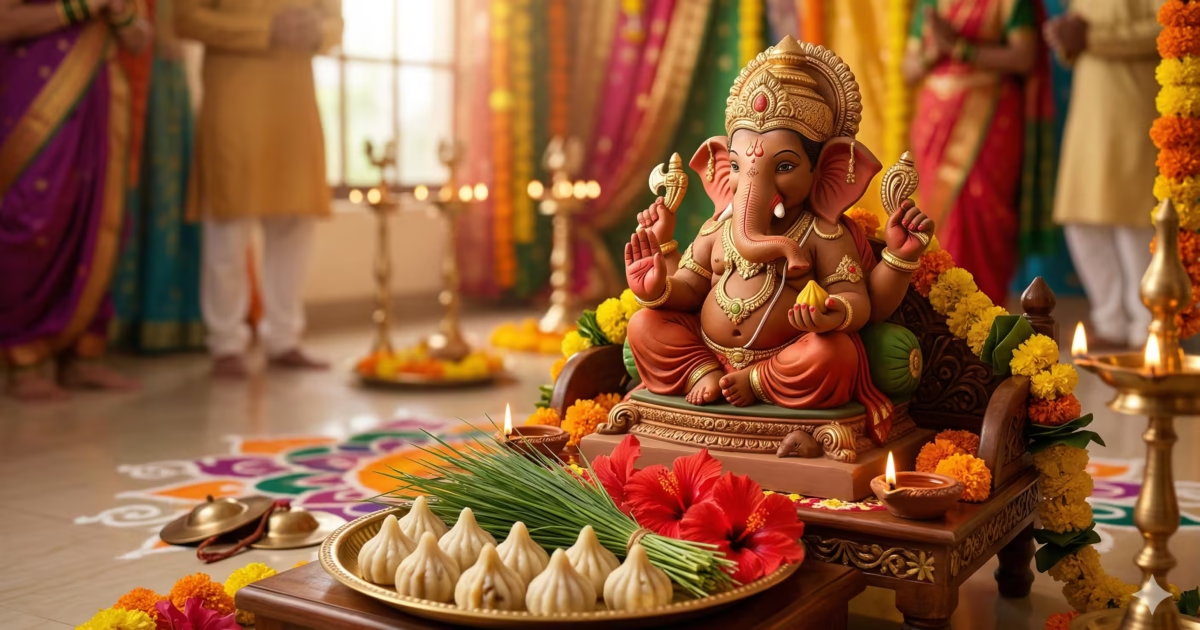
Ganesh Chaturthi, also known as Vinayaka Chaturthi or Ganeshotsav, is a magnificent and spiritually uplifting Hindu festival that celebrates the birth of Lord Ganesha—the god of wisdom, prosperity, and auspicious beginnings. Celebrated with immense devotion by millions across India and the global Hindu diaspora, this vibrant 10-day festival holds profound religious importance.
As the supreme remover of obstacles (Vighnaharta), Lord Ganesha is traditionally worshipped before the commencement of any new endeavor, be it buying a new home, starting a business, or beginning a spiritual journey. The festival goes beyond mere ritual; it brings communities together, uniting them in deep faith, rhythmic chants of “Ganpati Bappa Morya,” and beautiful cultural expressions. The scent of fresh marigolds, the glow of oil lamps, and the joyous beats of the dhol transform cities and homes into divine sanctuaries.
Ganesh Chaturthi 2026 Date and Time: Shubh Muhurat
If you are planning your celebrations and wondering about the Ganesh Chaturthi 2026 date and time, this grand festival will begin on Monday, 14 September 2026. The festival is observed annually on the Bhadrapada Shukla Chaturthi—the fourth day of the waxing moon phase in the Hindu lunar month of Bhadrapada. The 10-day grand finale, Anant Chaturdashi (the day of Visarjan or immersion), will fall on Thursday, 24 September 2026.
According to Vedic astrology, Lord Ganesha was born during the Madhyahna (mid-day) period. Therefore, mid-day is considered the most auspicious time for the idol installation. To ensure your prayers align perfectly with cosmic energies, here are the exact timings for the 2026 festival:
- Festival Date: 14 September 2026 (Monday)
- Tithi: Bhadrapada Shukla Chaturthi
- Chaturthi Tithi Begins: 14 September 2026 at 07:06 AM
- Chaturthi Tithi Ends: 15 September 2026 at 07:44 AM
- Ganesh Sthapana Muhurat 2026 (Madhyahna Kala): 11:02 AM to 01:31 PM
- Time to Avoid Moon Sighting: 07:06 AM to 08:48 PM on 14 September. (It is a scriptural belief that sighting the moon during this window can lead to Mithya Dosha or false accusations—a curse famously associated with the Syamantaka Mani legend of Lord Krishna).
History and Origin of Ganesh Chaturthi
While Lord Ganesha has been worshipped as a primary deity since ancient times in Hinduism, the public, large-scale celebration of Ganesh Chaturthi has a rich, deeply socio-political historical legacy. Historically, it is believed that the great Maratha ruler, Chhatrapati Shivaji Maharaj, first initiated public celebrations of Ganesh Chaturthi in Pune to promote culture, unity, and nationalism among his people. Later, the Peshwas of Pune, who considered Ganesha their family deity (Kuladaivat), celebrated the festival with immense state patronage and grandeur.
However, during the British colonial era, public gatherings of Indians were heavily restricted to prevent political uprisings. In 1893, the visionary Indian freedom fighter Lokmanya Bal Gangadhar Tilak revived the festival, transforming it from a private household ritual into a massive community event (Sarvajanik Ganeshotsav). Tilak recognized the unifying power of religion. He used the Ganpati festival to bridge the gap between different classes and castes, uniting Indians through a shared religious platform. The pandals became secret meeting grounds for freedom fighters, while aartis and traditional plays were used to spread patriotic messages and build a collective identity against colonial rule.
Ganesh Chaturthi Significance (गणेश चतुर्थी का महत्व)
The Ganesh Chaturthi significance extends far beyond mere festivities; it is a profound spiritual awakening. According to Hindu mythology, Goddess Parvati created Lord Ganesha from sandalwood paste used for her bath and breathed life into him to guard her chambers. When Lord Shiva returned, Ganesha, unaware of Shiva’s identity, stopped him. Following a cosmic battle, Lord Shiva blessed the boy with the head of an elephant and declared that he would be the first deity to be worshipped in any ritual (Pratham Pujya).
गणेश चतुर्थी का महत्व (The importance of Ganesh Chaturthi) lies in the triumph of wisdom over ignorance and ego. Lord Ganesha’s distinct physical features are not just mythological; they carry deep philosophical and psychological meanings:
- Large Head: Symbolizes a broad, universal intellect and the ability to think big.
- Small Eyes: Denote deep concentration, focus, and microscopic vision.
- Large Ears: Represent the ability to listen patiently and assimilate knowledge from all around.
- Large Belly: Signifies the capacity to peacefully digest all of life’s experiences—both the good and the bad.
- The Mouse (Mooshak): His vehicle represents the human mind and its wandering desires. Ganesha sitting on the mouse signifies intellect controlling desires, rather than desires controlling the intellect.
- The Axe (Ankusha): Carried in his hand to cut off all worldly attachments and earthly bonds.
Welcoming Bappa into the home is believed to bring peace, prosperity, and harmony while actively dispelling sorrow, negativity, and karmic blockages.
Ganesh Chaturthi Puja Vidhi Step by Step
Performing the rituals with pure devotion is essential for inviting divine blessings into your home. The process of invoking the deity is known as Pran Pratishtha. Here is the traditional and detailed Ganesh Chaturthi puja vidhi step by step:
- Preparation and Purification: Thoroughly clean the entire house and take a purifying bath. Wear fresh, clean clothes (preferably traditional). Decorate the altar (chowki or mandap) with mango leaves, fresh marigold flowers, banana saplings, and a clean red or yellow cloth.
- Sankalpa (Vow): Sit facing East or North. Take some water, rice, and a flower in your right hand and make a firm resolve (Sankalpa) to perform the puja with a pure heart, stating your name, family lineage (Gotra), and the purpose of the worship.
- Ganesh Sthapana: During the auspicious Ganesh sthapana muhurat 2026 (11:02 AM to 01:31 PM), respectfully place the eco-friendly clay idol of Lord Ganesha on the decorated chowki. Ensure a handful of raw rice (Akshata) is placed beneath the idol as an asan (seat).
- Pran Pratishtha (Invocation of Life): Chant sacred mantras, such as the Ganesha Gayatri Mantra or “Om Gan Ganapataye Namah,” to invoke life and the divine presence of Bappa into the murti. Traditionally, the eyes of the idol are symbolically opened by touching them with a blade of Darbha grass dipped in honey.
- Shodashopachara Puja: Offer 16 traditional items to the deity. This includes offering water to wash his feet (Padya), offering water for his hands (Arghya), giving a holy bath (Snana) with Panchamrit (a mixture of milk, curd, ghee, honey, and sugar), and presenting fresh clothes (Vastra) and a sacred thread (Janeyu).
- Offerings (Naivedya and Pushpa): Offer red hibiscus flowers, exactly 21 blades of Durva grass (tied together), sandalwood paste (Chandan), Kumkum, and an array of sweets. Durva grass is essential, as it is believed to cool the immense cosmic heat generated by Lord Ganesha.
- Aarti and Mantrapushpanjali: Light an earthen diya and camphor. Sing traditional aartis like the famous Marathi aarti “Sukhkarta Dukhharta” with family members. Conclude by offering a handful of flowers while reciting the Mantrapushpanjali, asking for forgiveness for any mistakes made during the puja.
Ganesh Idol Placement Direction and Sthapana Rules
Bringing Ganpati home requires following specific Vaastu Shastra and scriptural guidelines to attract maximum positive energy into your living space.
- Ganesh idol placement direction: The idol should ideally be placed in the Northeast corner (Ishan Kon) of the house, which is considered the prime zone of divine, spiritual, and magnetic energy. Ensure the idol faces the West or North, so the worshipper faces East or South while praying. Avoid placing the idol under staircases, inside bedrooms, near bathrooms, or sharing a wall with a restroom.
- Idol Type and the Green Ganesha Movement: Always opt for an eco-friendly clay (Shadu Mati) idol colored with natural dyes. It is spiritually authentic, carries the pure earth element (Bhumi tattva), and easily dissolves in water. Avoid Plaster of Paris (PoP) idols, which disrupt the environment and take months to dissolve.
- Duration of Stay: Devotees can host Bappa for 1.5, 3, 5, 7, or 10 days based on their family traditions (Kulachar). The final farewell, Visarjan, represents the cyclical nature of the universe—the deity returns to his heavenly abode, taking the household’s troubles with him.
- Continuous Presence: If you light an Akhand Jyoti (continuous oil lamp) for the duration of the festival, ensure someone is always present in the house to tend to it. The deity should never be left alone in an empty or locked house during his stay.
Traditions, Customs, and Ganpati Festival 2026 महाराष्ट्र Celebrations
The vibrant and electric spirit of the Ganpati festival 2026 महाराष्ट्र (Maharashtra) is unparalleled globally. While the festival is celebrated pan-India, Maharashtra—particularly cities like Mumbai, Pune, and Nagpur—transforms into a breathtaking cultural epicenter.
- Dhol-Tasha Pathaks and Lezim: The arrival (Aagman) and farewell (Visarjan) of Bappa are accompanied by majestic Dhol-Tasha drum bands. Thousands of young men and women form Pathaks (troupes), playing complex rhythms in perfect synchronization. This is often accompanied by Lezim dancers, a traditional Maharashtrian folk dance that brings an athletic, heart-pounding energy to the streets.
- Gauri Puja: In Maharashtra, the festival also prominently includes the worship of Goddess Gauri (an avatar of Mother Parvati). She is brought home on specific asterisms (Nakshatras) for three days of special worship. This sub-festival involves women staying awake at night, playing traditional games (Zimma and Fugdi), and preparing grand feasts to celebrate the goddess’s visit to her maternal home.
- Regional Variations: The celebrations vary beautifully across Indian states:
- Karnataka: The festival starts a day earlier with Swarna Gowri Vratha, where married women pray for a prosperous married life.
- Andhra Pradesh & Telangana: Known as Vinayaka Chavithi, massive clay idols (like the famous Khairatabad Ganesh in Hyderabad) are installed, and special delicacies like Undrallu and Kudumulu are prepared.
- Goa: Local artisans create elaborate, canopy-like wooden structures called Matoli above the idol, decorating them heavily with seasonal fruits, flowers, roots, and wild vegetables.
How Ganesh Chaturthi is Celebrated: Pandals, Aarti, and Prasad
The celebration of Ganesh Chaturthi is a beautiful amalgamation of intimate home devotion, culinary delights, and massive public grandeur.
- Home Celebrations: Families dress in fine traditional attire—women in Nauvari or Paithani sarees and men in Kurta-pajamas—gathering for daily morning and evening prayers. Homes are meticulously cleaned and adorned with fresh floral torans, fairy lights, and intricate colorful Rangolis at the entrance. The atmosphere is continuously filled with the soothing scent of incense, dhoop, and camphor.
- Public Pandals and Social Causes: Community groups (Sarvajanik Mandals) erect massive, elaborately themed pandals. These structures are architectural marvels, often recreating famous temples, historical monuments, or highlighting important social and environmental messages (like water conservation or women’s empowerment). Millions of devotees queue up for hours, sometimes overnight, just for a darshan (holy glimpse) of iconic idols like Mumbai’s Lalbaugcha Raja or Pune’s Dagdusheth Halwai Ganpati. Many of these mandals also organize blood donation camps and eye-checkup drives.
- Modak and Divine Prasad: Ganesha is famously known as ‘Modakapriya’ (the one who loves Modaks). The primary offering is Ukadiche Modak—steamed rice-flour dumplings meticulously folded and stuffed with a heavenly mixture of freshly grated coconut, cardamom, and melted jaggery. Alongside Modaks, families prepare Karanji (crispy fried sweet dumplings), Besan Laddoos, Puran Poli, and savory Chaklis. These are offered as Naivedya and then distributed as divine blessings (Prasad) to guests, relatives, and neighbors.
What to Do and What to Avoid (Dos and Don’ts)
Observing certain scriptural rules ensures that the festival is celebrated with maximum reverence, purity, and spiritual benefit.
Dos (What to do):
- Do perform the installation and prayers during the exact Ganesh sthapana muhurat 2026 for optimal spiritual alignment.
- Do offer exactly 21 blades of fresh Durva grass and red flowers (like Hibiscus), as they are considered highly auspicious and incredibly dear to Lord Ganesha.
- Do recite or listen to the Ganesha Atharvashirsha and the 108 names of Lord Ganesha (Ashtottara Shatanamavali) daily.
- Do maintain the purity of body and mind. Consume Sattvic (pure, vegetarian) food, strictly avoiding onions, garlic, alcohol, and non-vegetarian items during the festival days.
- Do engage in charity (Daan), donate to the underprivileged, and feed the needy, as Ganesha represents abundance and generosity.
Don’ts (What to avoid):
- Do not sight the moon on Chaturthi day. Traditional scriptures warn that looking at the moon on this day brings false allegations (Mithya Kalank), stemming from a legend where the Moon god mocked Ganesha’s appearance.
- Do not offer Tulsi (holy basil) to Lord Ganesha. According to a mythological curse exchanged between Lord Ganesha and Goddess Tulsi, her leaves are explicitly forbidden in his worship.
- Do not use plaster of Paris (PoP) idols or toxic chemical paints. These materials pollute water bodies, harm aquatic ecosystems, and disrespect the earth element during Visarjan.
- Do not leave the house locked, dark, or entirely empty while the Ganpati idol is installed inside.
- Avoid negative thoughts, arguments, or using harsh words in the house during the deity’s stay, maintaining a peaceful and joyous environment.
Spiritual, Cultural, Social, and Economic Benefits of Celebrating Ganesh Chaturthi
Ganesh Chaturthi is not merely a ritualistic event; it is a multi-dimensional phenomenon that profoundly impacts individuals, communities, and society on multiple levels.
- Spiritual Benefits: Meditating upon Lord Ganesha sharpens the intellect, calms an anxious mind, and cultivates immense patience. Worshipping the Vighnaharta actively clears karmic hurdles, bringing mental peace, inner strength, and the courage to undertake new life journeys. It teaches devotees the art of surrender and the importance of balancing the material and the spiritual.
- Cultural Benefits: The festival serves as a vital inter-generational bridge. It passes down ancient Vedic traditions, Sanskrit chants, traditional performing arts, and indigenous culinary practices to younger generations. By actively participating in aarti, rangoli making, and Prasad preparation, the youth ensure that India’s rich cultural heritage remains vibrantly alive and thriving in the modern era.
- Social and Economic Benefits: The Ganpati festival fosters immense community harmony and civic solidarity. People from all walks of life, irrespective of caste, creed, or economic background, come together to build pandals, organize food drives (Bhandara), and celebrate as one large family. It naturally promotes a deep sense of brotherhood, social equality, and national integration. Furthermore, the festival provides a massive economic boost to the informal sector, sustaining the livelihoods of thousands of local clay artisans, flower vendors, musicians, decorators, and sweet makers.