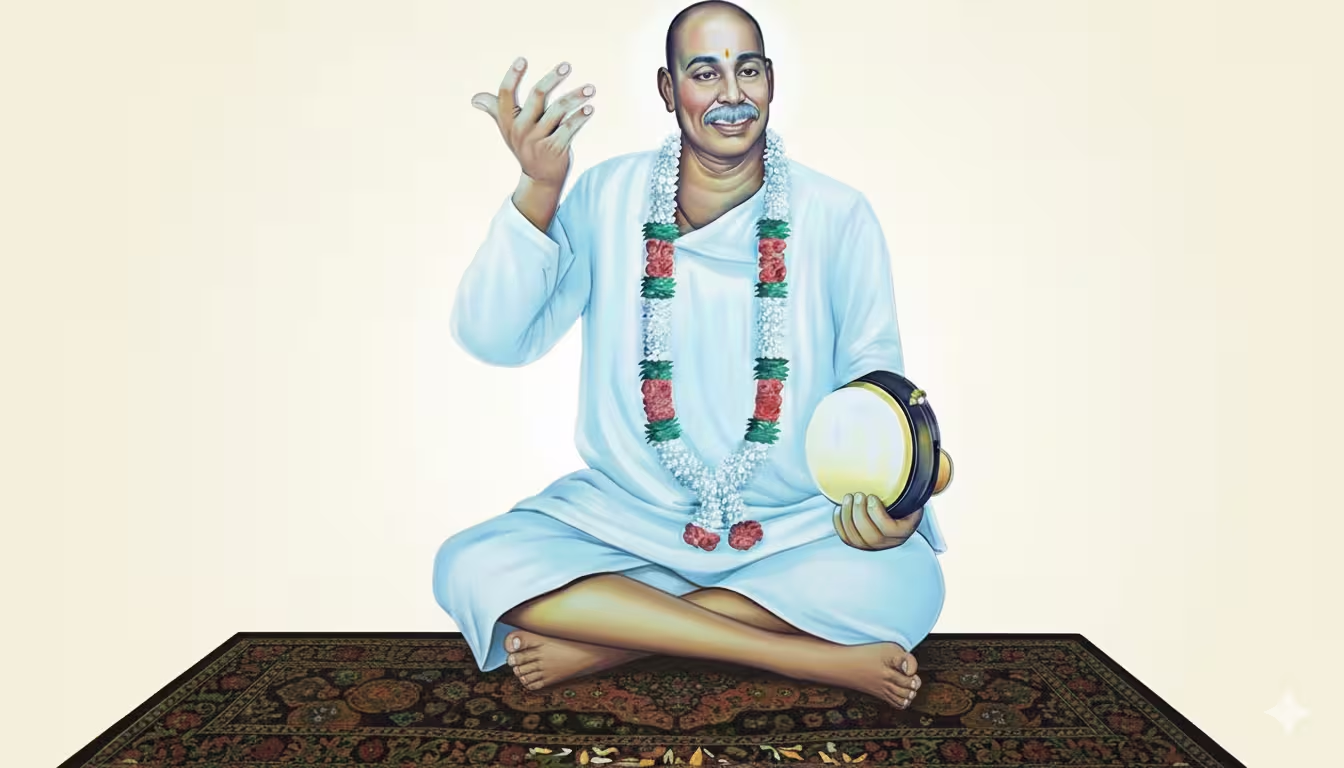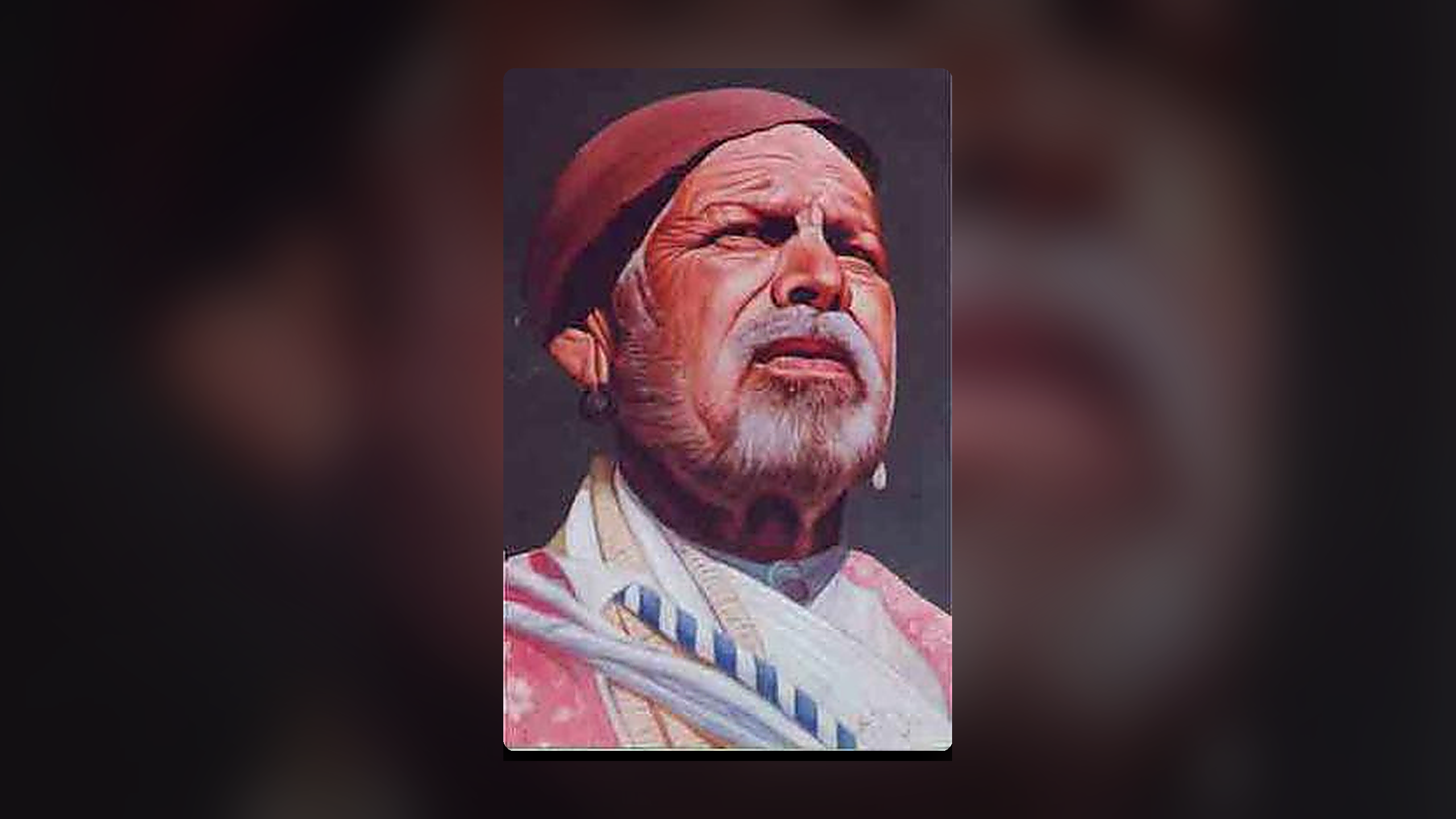

Shri Ramdas Navami—popularly called Das Navami—is an important spiritual observance in Maharashtra and in many Ram-bhakta communities. It marks the Mahasamadhi (death anniversary) of Samarth Ramdas Swami, the 17th‑century saint-poet who combined devotion to Shri Ram and Shri Hanuman with powerful guidance on discipline, courage, self‑control, and dharma.
Because the name contains “Navami,” many people confuse it with Shri Ram Navami (Lord Rama’s birth festival). But Shri Ramdas Navami is different—it is dedicated to Samarth Ramdas Swami and is observed on Magh Krishna Paksha Navami (the 9th day of the waning moon in the month of Magh).
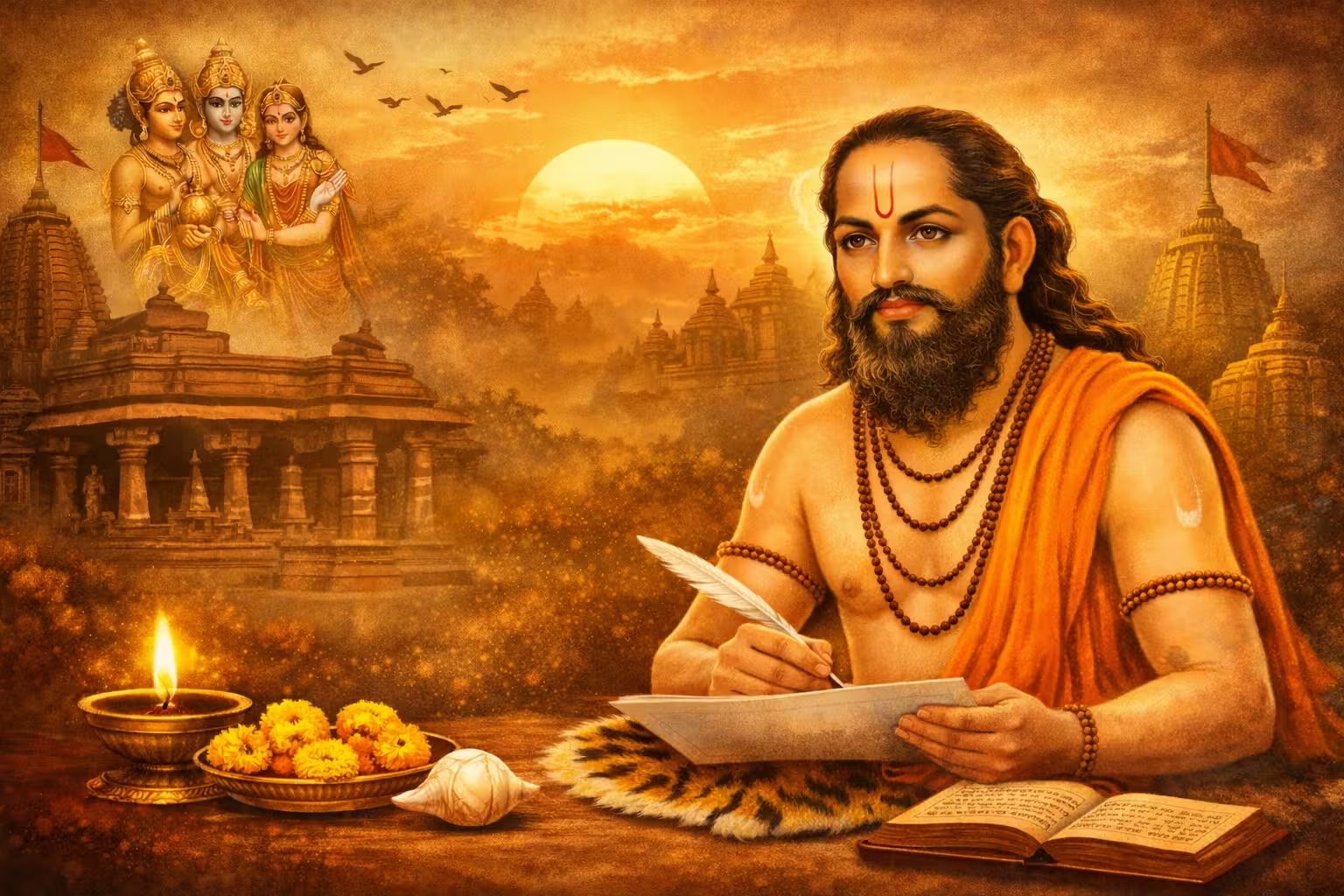
If you’ve heard people greeting each other with “Jai Jai Raghuveer Samarth!”, visiting Sajjangad, or reading Dasbodh and Manache Shlok, this day is part of that living tradition.
Table of Contents
Shri Ramdas Navami 2026 Date (11 February)
In 2026, Shri Ramdas Navami is widely observed on Wednesday, 11 February 2026. (In many Panchang systems, the Navami tithi may span parts of 10–11 February, so some communities observe it based on local sunrise rules.) If you want complete accuracy for your city, check your local Panchang, because tithi timing can vary slightly by location.
What is Shri Ramdas Navami?
Shri Ramdas Navami is the day devotees remember Samarth Ramdas Swami’s Mahasamadhi—the moment his life’s work became a timeless spiritual legacy. In Indian tradition, a saint’s samadhi day is not seen only as “death,” but as a sacred occasion to:
- revisit the saint’s teachings,
- strengthen devotion and character,
- renew vows of discipline, service, and dharma,
- and gather as a community through kirtan, pravachan, and seva.
On this day, devotees often chant the name of Shri Ram, recite Manache Shlok, read or listen to Dasbodh, and offer prayers at temples and samadhi places connected with Samarth Ramdas Swami.
Who was Samarth Ramdas Swami?
Samarth Ramdas Swami was a revered Marathi saint, philosopher, poet, and spiritual master from the 17th century. His birth name is widely remembered as Narayan (Narayana Thosar in several records). Traditional accounts say he was born on Shri Ram Navami in a village called Jamb in present-day Maharashtra.
Over time, he became known as “Ramdas”—literally meaning “servant of Ram.” His life is often described as a blend of:
- intense devotion (Bhakti) toward Shri Ram and Hanuman,
- spiritual discipline and self-mastery,
- practical guidance for householders and seekers,
- and a strong message of courage and social awakening.
Many people connect his name with the phrase “Bhakti + Shakti”—devotion with strength—because his teachings don’t treat spirituality as weakness. Instead, they emphasize a steady mind, ethical living, fearlessness, and inner power.
Why is it called “Das Navami”?
A very common question is: Why do people call it “Das Navami” instead of “Ramdas Navami”?
“Das” means servant, and “Ramdas” means servant of Shri Ram. Since the day remembers Samarth Ramdas Swami, the festival is affectionately called Das Navami. In many Marathi communities, you’ll hear greetings like:
- “Jai Jai Raghuveer Samarth!”
- “Shri Ram Jai Ram Jai Jai Ram”
These phrases reflect his devotion-centric path.
Is Shri Ramdas Navami a birth anniversary or a death anniversary?
This is the biggest confusion among common people.
- Shri Ramdas Swami’s birth is traditionally linked to Shri Ram Navami (Chaitra Shukla Navami).
- Shri Ramdas Navami (Das Navami) is observed as his Mahasamadhi (death anniversary) on Magh Krishna Navami.
So, if someone says “Ramdas Navami is his birth anniversary,” they are usually mixing the two Navamis. The February observance is mainly the samadhi day tradition.
Why is Shri Ramdas Navami important?
Even for people who don’t belong to any specific sampradaya, Shri Ramdas Navami matters because it reminds us of a complete life-lesson package: devotion, discipline, and responsibility.
1) A day to reset the mind
Samarth Ramdas Swami’s works focus heavily on the mind—how it misleads us, how it can be trained, and how it can become our strongest friend. This makes the day especially relevant for modern life, where stress, distraction, and anxiety are common.
2) Strength with spirituality
His tradition encourages inner strength, physical discipline, and fearlessness—without losing humility and devotion.
3) Cultural and historical relevance
He played a major role in shaping social and spiritual life in Maharashtra. Many traditions associate him with the broader “awakening” of dharma in his time.
(Note: Some popular traditions link him closely with Chhatrapati Shivaji Maharaj as a spiritual mentor, while some historians debate the nature of their direct association. Regardless of this debate, his influence on Maharashtra’s spiritual culture is widely acknowledged.)
What are the most famous writings of Samarth Ramdas Swami?
If you want to understand why this saint is remembered so strongly, start with his literature. His writing is not only devotional—it is practical, direct, and meant for real life.
1) Dasbodh
Dasbodh is one of his most influential works. It is known for practical spiritual instruction—how to live with wisdom, self-control, and dharma while handling worldly responsibilities.
2) Manache Shlok
Manache Shlok is a collection of verses addressed to the mind. It teaches self-discipline, clean habits, truthfulness, devotion, and mental strength. Many households in Maharashtra recite it regularly.
3) Hanuman-related stotras and the “Maruti” tradition
Samarth Ramdas Swami is strongly connected with Hanuman worship. The tradition of 11 Maruti temples in Maharashtra is widely associated with him and is often seen as a spiritual-culture movement that combines devotion and fitness.
Where is Shri Ramdas Navami celebrated most prominently?
Shri Ramdas Navami is celebrated wherever followers of the Ramdasi tradition live, but a few places are especially important.
1) Sajjangad (near Satara, Maharashtra)
Sajjangad is among the most famous places connected with Samarth Ramdas Swami’s later life and samadhi tradition. On Das Navami, many devotees visit Sajjangad for darshan, prayers, bhajans, and seva.
2) Chaphal (near Satara)
Chaphal is also strongly connected with the Ramdas tradition, including temples dedicated to Shri Ram and Maruti.
3) Jamb (birthplace tradition)
Jamb is remembered in many accounts as his birthplace.
4) The 11 Maruti temples route
Devotees who love pilgrimage culture often plan visits across the 11 Maruti temples associated with his tradition.
How do people observe Shri Ramdas Navami?
Celebrations vary by region and family tradition, but most observances include a mix of devotion (bhakti), learning (vichar), and service (seva).
Common rituals and practices
- Early morning bath and sankalp
Devotees begin with cleanliness and a simple vow (sankalp): “Today I will remember Samarth Ramdas Swami, follow good conduct, and chant God’s name.” - Lighting a diya and offering naivedya
A diya is lit before Shri Ram / Hanuman, and simple offerings like fruits, jaggery, or prasad are offered. - Ram Naam japa and stotra path
Popular choices include:
- Ram Naam japa
- Manache Shlok recitation
- Hanuman stotras (as per family tradition)
- Listening to pravachan / kirtan
Many temples and sampradaya groups organize discourses on Dasbodh, character-building teachings, and devotional storytelling. - Seva and annadan
Helping others—donating food, supporting a temple, serving pilgrims, or feeding the needy—is a respected part of the day. - Visiting a temple or samadhi place (if possible)
Those who can travel prefer visiting Sajjangad or a local Ram/Hanuman temple.
Simple Shri Ramdas Navami Puja at Home
If you are new and want a simple, respectful puja, follow this easy method:
- Clean the puja space and place a photo/idol of Shri Ram, Hanuman, or Samarth Ramdas Swami.
- Offer water (achaman), then light a diya and incense.
- Offer flowers and a simple naivedya (fruit/sweets).
- Chant Ram Naam for 5–11 minutes.
- Read or listen to a short passage from Dasbodh or recite a few Manache Shlok.
- Sit silently for 2 minutes and make one practical vow:
- avoid anger today,
- speak truthfully,
- control one bad habit,
- or help someone in need.
- Distribute prasad and, if possible, do a small act of donation.
This kind of puja keeps the spirit of the day: devotion + self-improvement.
What should we learn from Samarth Ramdas Swami’s teachings?
Many people ask: “Okay, but what is the core message?”
Here are a few timeless themes people take from his writings and tradition:
- Train the mind: don’t let emotions and laziness control your decisions.
- Live with discipline: simple routines create a strong life.
- Stay devoted: keep your heart connected to Shri Ram.
- Serve society: spirituality is incomplete without compassion and responsibility.
- Be courageous: dharma needs a fearless, steady mindset.
If you apply even one of these points honestly, the festival becomes meaningful—not just ceremonial.