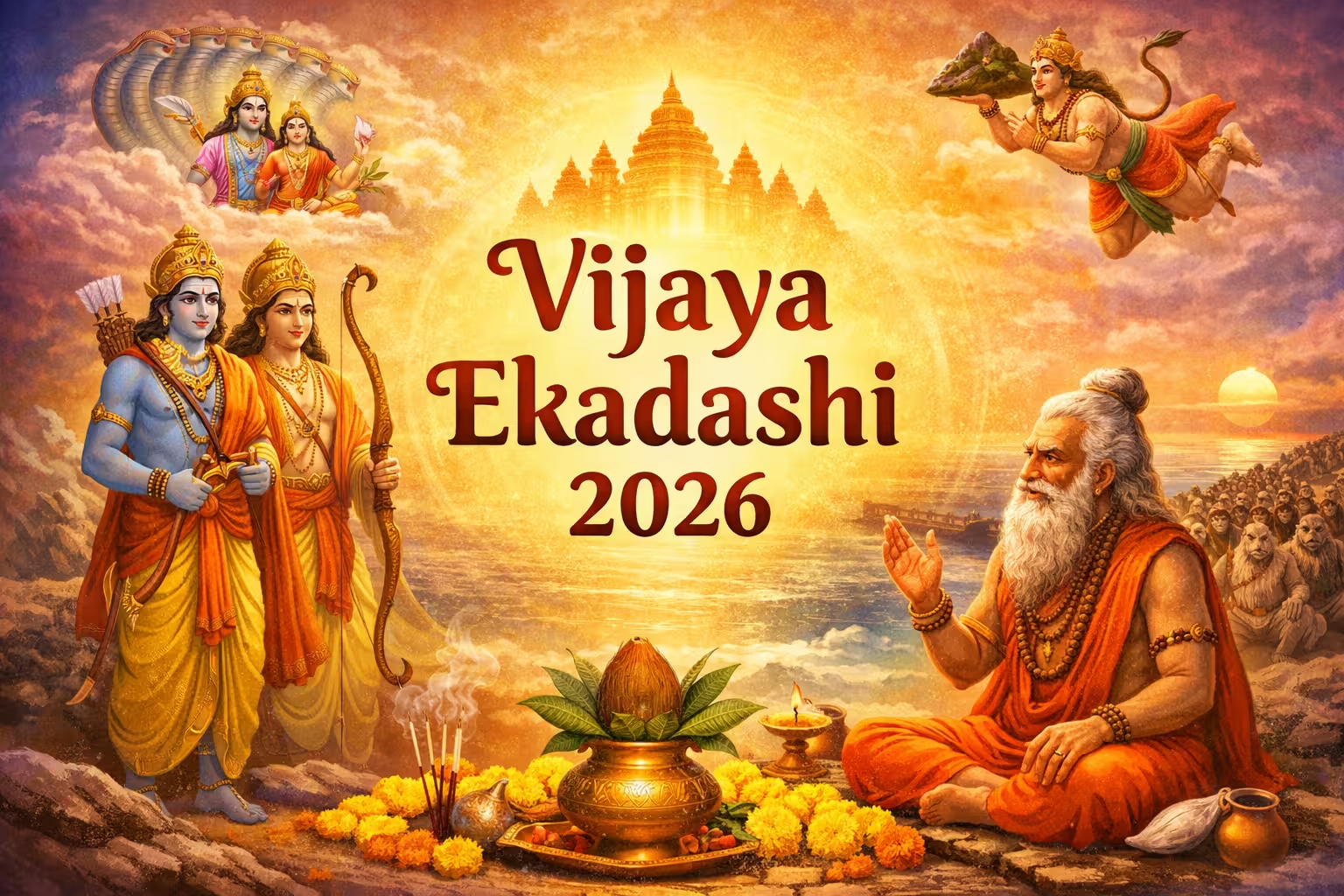
Vijaya Ekadashi 2026 is observed in the Krishna Paksha Ekadashi of the Phalguna season and is dedicated to Lord Vishnu. The word Vijaya means victory, and devotees keep this vrat with the faith that Shri Hari helps them overcome obstacles, negativity, and inner weaknesses. Along with fasting, worship, and scripture listening, this Ekadashi is also known for its inspiring Vrat Katha linked to Lord Rama’s victory.
Vijaya Ekadashi 2026 important timings in India
- Vijaya Ekadashi fasting day: Friday, 13 February 2026
- Ekadashi tithi begins: 12 February 2026, 12:22 PM (IST)
- Ekadashi tithi ends: 13 February 2026, 2:25 PM (IST)
- Parana time: 14 February 2026, 7:00 AM to 9:14 AM (IST)
- Dwadashi end moment: 14 February 2026, 4:01 PM (IST)
Note that Ekadashi is generally observed on Udaya Tithi (the tithi present at sunrise). Timings can shift by a few minutes depending on your city, so if you follow a specific local Panchang or temple schedule, match your observance with that.
What is Vijaya Ekadashi
Ekadashi comes twice every lunar month and is considered especially sacred for Lord Vishnu devotees. Vijaya Ekadashi is one of the most spiritually motivating Ekadashis because its theme is not just fasting but winning the inner battle.
People keep this vrat for many intentions, such as clarity in decisions, success in important work, peace in relationships, freedom from harmful habits, and deeper devotion. In many traditions, it is also associated with the idea of removing the consequences of past mistakes through sincere repentance, discipline, and bhakti.
Some people get confused about the month name because different Hindu calendar systems are used. In many North Indian Panchangs that follow the Purnimanta system, Vijaya Ekadashi is referred to as Phalguna Krishna Ekadashi. In Amanta calendars used widely in other regions, the same Ekadashi may be listed under the Magha month. The vrat is the same, only the month naming differs.
Vijaya Ekadashi significance
The keyword phrase vijaya ekadashi significance is searched widely because this vrat is believed to offer both practical and spiritual outcomes.
At a spiritual level, Ekadashi is about training the mind and senses. When you simplify food, speech, and lifestyle for a day and keep your attention on Vishnu-nama, you are practicing self-control and devotion together.
At a practical level, the vrat is associated with:
- Victory over obstacles: Not only external challenges, but also fear, anger, laziness, and indecision.
- Mental clarity: A calmer mind makes it easier to choose the right path.
- Satvik purification: Ekadashi is traditionally linked with inner cleansing through sattva.
- Strengthening faith: Regular worship builds steadiness during uncertain phases.
Many devotees also treat Vijaya Ekadashi as a day to restart life with better discipline, forgiveness, and a more meaningful direction.
Vijaya Ekadashi Vrat Katha in simple words
The well-known Vijaya Ekadashi story is connected with Lord Rama’s journey to defeat Ravana.
When Mata Sita was abducted, Shri Rama and Lakshmana searched through forests, formed alliances, and prepared for the battle. Later, when Rama’s army reached the seashore, the ocean looked impossible to cross.
Lakshmana guided Shri Rama to the ashram of Vakdalbhya Muni. The sage advised Rama to observe Vijaya Ekadashi vrat with devotion. He described a worship method that included installing a sacred Kalash, offering worship to Lord Vishnu, staying devoted through the day and night, and completing the vrat properly on Dwadashi.
Shri Rama followed the vrat with sincerity and, as the story tells, gained victory and successfully completed the mission. The central message is that when dharma is supported with devotion and discipline, victory becomes certain.
Puja Vidhi for Vijaya Ekadashi 2026
A simple and traditional puja can be done at home without complication. The most important thing is purity of intention and consistent devotion.
- Wake up early and take a bath
Wear clean, simple clothes. Create a calm space for worship. - Take Sankalp
Mentally commit to observing the vrat according to your capacity, with truthfulness and bhakti. - Prepare the altar
Place a clean cloth, keep a Vishnu image or idol, a diya, incense, and a small water pot or kalash. If you have Tulsi leaves, keep them ready. - Offer worship to Lord Vishnu
Offer water, Tulsi, flowers, fruits, and satvik naivedya. Do not focus on expensive items. Devotion matters more than display. - Chant and listen to katha
Recite Vishnu stotra as per your tradition, and listen to or read the Vijaya Ekadashi Vrat Katha. - Maintain satvik conduct through the day
Be mindful of speech, avoid anger, avoid harsh words, and reduce unnecessary activity. - Night vigil if possible
Many devotees do bhajan, kirtan, or quiet japa at night. Even a short, sincere vigil can be meaningful.
Mantras to chant on Vijaya Ekadashi
Choose a mantra you can repeat with concentration. Consistency is more important than variety.
- Om Namo Bhagavate Vasudevaya
- Om Namo Narayanaya
- Hare Krishna Mahamantra (for those who follow Vaishnava tradition)
You can also read or listen to Vishnu Sahasranama if you are comfortable with it.
Fasting rules and food guide
Ekadashi fasting is done as per one’s health and ability. Traditionally, grains and pulses are avoided.
Types of vrat people follow
- Nirjala: Without food and water (only if your health supports it)
- Jalahar: Only water
- Phalahar: Fruits, milk, nuts
- Single satvik meal: Once before sunset, without grains and pulses
What you can eat on Ekadashi
- Fruits, coconut water, milk, curd, paneer
- Nuts and dry fruits
- Sabudana, singhara flour, kuttu flour dishes
- Potatoes, sweet potatoes, peanuts
- Rock salt (sendha namak)
What to avoid
- Rice, wheat, and all grains
- Pulses and beans
- Onion, garlic, and non-vegetarian food
- Alcohol and intoxication
If you are pregnant, diabetic, elderly, or on regular medication, follow a safe version of the vrat and consult a medical professional if needed.
Parana method on Dwadashi
Parana means breaking the Ekadashi fast. It should be done after sunrise on Dwadashi within the suitable time window.
- Begin with a small, satvik intake such as water, Tulsi leaf water, or fruit.
- Eat a simple meal without overeating.
- Maintain gratitude and a calm mind while completing the vrat.
If you follow ISKCON or Vaishnava calendars, the parana window may differ from general Panchang timings, so follow your sampradaya schedule.
What to do on Vijaya Ekadashi for best spiritual benefit
This vrat becomes powerful when your actions match the purpose.
- Keep your day light, calm, and devotional.
- Avoid negativity, criticism, and arguments.
- Practice charity according to capacity, such as food donation or helping someone in need.
- Spend time with sacred reading, japa, or bhajan.
Frequently asked questions
Is Vijaya Ekadashi 2026 on 12 February or 13 February
In 2026, Ekadashi tithi begins on 12 February afternoon and continues into 13 February. Since most people follow the sunrise rule for fasting day, Vijaya Ekadashi vrat is observed on 13 February 2026.
Can I drink tea or coffee during Ekadashi fast
If you are doing a strict vrat, you usually avoid tea and coffee. If you need it for health or headache, keep it minimal and avoid making the fast heavy.
Can I use normal salt
Many people prefer sendha namak during Ekadashi. If you follow a strict fast, stick to traditional fasting rules.
What if I miss the parana time
Try to do parana as soon as possible after sunrise within Dwadashi, following your local Panchang guidance. If you missed the ideal window due to a genuine reason, complete it with prayer and seek forgiveness.
विजया एकादशी 2026 तिथि, पारण समय, महत्व, व्रत कथा और पूजा विधि