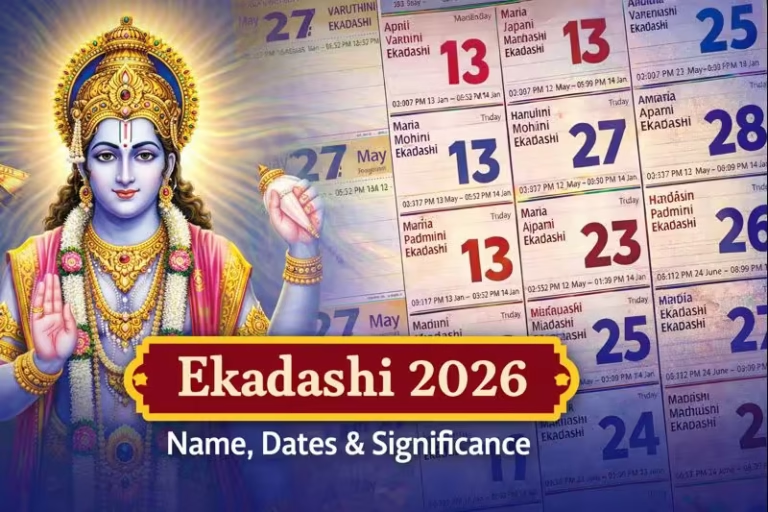
Jaya Ekadashi is one of the most auspicious Ekadashi fasts dedicated to Lord Vishnu and observed in the Shukla Paksha of Magha month. The word “Jaya” means victory—victory over negative habits, distractions, and inner restlessness. For many devotees, this vrat is a beautiful opportunity to reset the mind, deepen devotion, and invite spiritual strength into daily life.
If you are searching for “Jaya Ekadashi 2026 date and time”, “Jaya Ekadashi vrat rules”, or “how to do Jaya Ekadashi puja at home”, this guide covers everything you need—step-by-step, in a simple but professional way.
Jaya Ekadashi 2026: Quick Details (Date, Tithi, Parana)
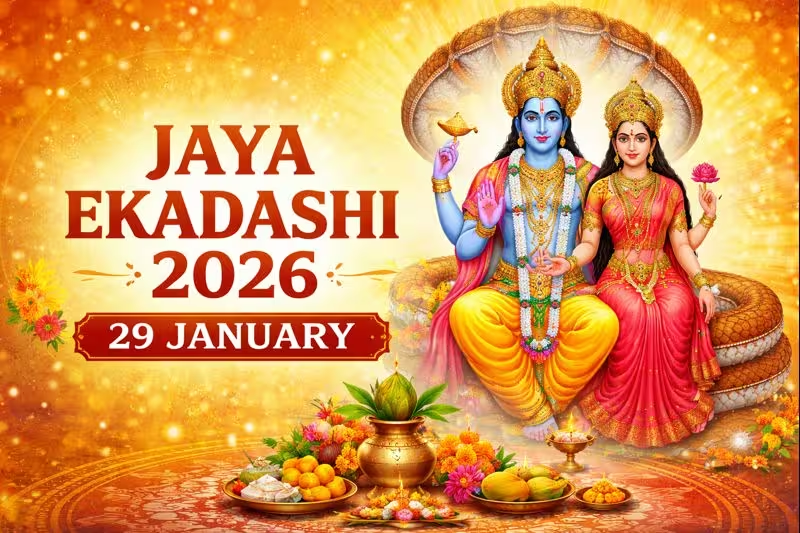
Vrat Date: Thursday, 29 January 2026
Ekadashi Tithi Begins: 28 January 2026, 04:35 PM
Ekadashi Tithi Ends: 29 January 2026, 01:55 PM
Parana (Fast-Breaking) Date: Friday, 30 January 2026
Parana Time: 07:10 AM to 09:20 AM (local timing may vary slightly by city)
Dwadashi Ends (Reference): 30 January 2026, 11:09 AM
Tip: Ekadashi timings can shift slightly depending on sunrise time in your location. For the most accurate results, always match this with your local Panchang.
What Is Jaya Ekadashi?
Jaya Ekadashi is the Magha Shukla Ekadashi (the 11th lunar day of the bright fortnight of Magha). It is considered especially powerful for devotees who want to practice self-discipline, purification, and devotion toward Shri Hari (Vishnu).
In several traditions, this Ekadashi is also referred to as Bhaimi Ekadashi, and in some regions it is popularly known as Bhishma Ekadashi or Bhoomi Ekadashi. Names can vary by region, but the core purpose remains the same: Vishnu bhakti, vrat, and spiritual upliftment.
Why Is Jaya Ekadashi Important?
People observe this vrat for many reasons—spiritual, emotional, and lifestyle-related. Traditionally, Jaya Ekadashi is believed to:
- Support inner purification by reducing cravings and distractions
- Encourage discipline and sattvik living
- Increase focus on japa, bhajan, and Vishnu worship
- Help devotees move away from negative patterns and toward positive habits
- Strengthen faith, patience, and gratitude through devotion
Many devotees also believe that sincere Ekadashi observance creates a strong foundation for peace at home and clarity in life decisions.
How to Observe Jaya Ekadashi Vrat: Complete Step-by-Step Guide
If you want a practical answer to “how to do Jaya Ekadashi vrat at home”, follow this structured routine. You can adapt it based on your health, schedule, and tradition.
Preparation on Dashami (One Day Before)
- Keep food light and sattvik.
- Avoid heavy, fried, or tamasic food.
- Many devotees avoid grains even on Dashami night, and prefer a simple dinner.
- Set a clear intention: “I will observe Jaya Ekadashi with devotion and self-control.”
Morning Routine on Ekadashi Day
- Wake up early (preferably before sunrise).
- Take a bath and wear clean clothes.
- Clean your puja space and place a clean cloth on the altar.
- Offer prayers to Lord Vishnu (or Shri Krishna) with a calm mind.
Jaya Ekadashi Puja Vidhi (Simple Home Puja)
You don’t need a complicated setup to do Jaya Ekadashi puja. A clean space and devotion are enough.
Items you may use:
- Tulsi leaves, flowers (if available), diya, incense
- Panchamrit or clean water
- Fruits or a simple bhog
- Vishnu/Krishna picture or idol
Puja steps:
- Light a diya and incense.
- Offer water, flowers, and Tulsi to Lord Vishnu.
- Chant a Vishnu mantra (see section below).
- Read or listen to Jaya Ekadashi Vrat Katha.
- Do aarti (Vishnu aarti) if possible.
- Sit for a few minutes in silence, focusing on prayer.
Japa, Bhajan, and Positive Discipline
This vrat becomes more meaningful when you add spiritual practices:
- Vishnu Sahasranama (full or selected verses)
- Bhagavad Gita reading (even 1 chapter)
- Hare Krishna Mahamantra chanting
- Temple visit (if possible) or online darshan
Night Practice (Optional Jagran)
Some devotees stay awake at night for bhajans and katha. Even if you cannot do full jagran, you can:
- Spend 15–30 minutes in bhajan
- Avoid anger, gossip, or negative talk
- Keep the mind clean and steady
Jaya Ekadashi Fasting Rules (What to Eat and What to Avoid)
What is strictly avoided on Ekadashi?
The most common Ekadashi rule is:
- No grains and cereals (rice, wheat, flour, bread)
- No pulses and dals (chana, moong, urad, rajma, etc.)
Many devotees also avoid onion and garlic on Ekadashi to maintain a more sattvik routine.
Fasting Options (Choose what suits you)
1) Nirjala Vrat (Strict)
- No food, no water (only if your health allows)
2) Jal Vrat
- Only water
3) Phalahar Vrat (Common and practical)
- Fruits, milk, curd, dry fruits
- Suitable for many people who still want discipline
4) One Meal Vrat
- One simple vrat meal (usually after sunset)
Health note: If you are pregnant, breastfeeding, diabetic, or on medication, choose a safe fasting method. Devotion is more important than strictness.
What to eat on Jaya Ekadashi vrat (Sattvik vrat foods)
- Fruits: banana, apple, papaya, pomegranate
- Dairy: milk, curd, paneer (if you consume)
- Dry fruits: almonds, walnuts, raisins
- Vrat staples: sabudana, sweet potato, potato, makhana
- Flours often used in vrat: kuttu (buckwheat), singhara (water chestnut)
- Sendha namak (rock salt) is commonly preferred in vrat meals
Jaya Ekadashi Mantra (Best Mantras to Chant)
If you are looking for “mantra on Jaya Ekadashi” or “which mantra to chant on Jaya Ekadashi vrat”, these are simple and widely used:
- Om Namo Bhagavate Vasudevaya
- Om Namo Narayanaya
- Hare Krishna Hare Krishna, Krishna Krishna Hare Hare | Hare Rama Hare Rama, Rama Rama Hare Hare
Chant slowly, with focus, and avoid rushing. Even 5–10 minutes of mindful chanting can feel deeply calming.
Jaya Ekadashi Vrat Katha (Short Story Summary)
A well-known legend connected with Jaya Ekadashi speaks about Gandharva Malyavana and Pushpavati. During a divine celebration in Indra’s court, they became distracted and failed to maintain discipline. As a result, they were cursed and had to suffer in a painful, lower state of existence.
Over time, through the powerful influence of Jaya Ekadashi, they unintentionally observed the Ekadashi fast and stayed awake through the night. Their sincere inner transformation and the spiritual merit of Ekadashi became a turning point, and they were liberated from suffering.
The message of this katha is simple but powerful: even a fallen person can rise again when devotion, discipline, and sincere repentance enter the heart.
Parana on Jaya Ekadashi 2026: How to Break the Fast Correctly
Parana is not just “eating after fasting”—it is a respectful closing of the vrat.
Parana Date: 30 January 2026
Parana Time: 07:10 AM to 09:20 AM
Parana steps (simple and correct)
- After sunrise, take a bath (if possible) and do a short Vishnu prayer.
- Offer bhog (fruit or simple prasad) first.
- Break the fast gently—water, fruit, or light food.
- Avoid overeating immediately after a strict fast.
Important: Parana is ideally done within the suggested window and before Dwadashi ends.
Dan (Charity) and Good Deeds on Jaya Ekadashi
Charity adds purity and compassion to any vrat. On Jaya Ekadashi, devotees often do:
- Donation of food, fruits, or warm clothes
- Helping someone in need silently, without showing off
- Feeding cows or birds (as per comfort)
Even a small donation done with respect and sincerity is meaningful.
Common Mistakes to Avoid on Jaya Ekadashi
- Accidentally eating grains or dal (always double-check ingredients)
- Sleeping the whole day and skipping worship completely
- Breaking the fast at an incorrect time due to confusion
- Treating vrat as only “dieting” instead of spiritual discipline
FAQs About Jaya Ekadashi 2026
Is Jaya Ekadashi on 29 January 2026 or 28 January 2026?
Jaya Ekadashi vrat is observed on Thursday, 29 January 2026. The Ekadashi tithi starts on 28 January (04:35 PM) and ends on 29 January (01:55 PM), so the main fasting day is 29 January.
Can I drink tea or coffee during Ekadashi fast?
Many people avoid tea/coffee during Ekadashi for a sattvik fast, but if your body needs it (headache, low BP), choose a milder approach and focus on devotion.
Can working people keep Jaya Ekadashi vrat?
Yes. A practical approach is phalahar vrat with fruits, milk, nuts, and light vrat meals—along with a short morning and evening puja.
Read In Hindi : जया एकादशी 2026 : तिथि, व्रत‑विधि, नियम पारण समय